
Why Nikita khandheria puts the experience before the menu
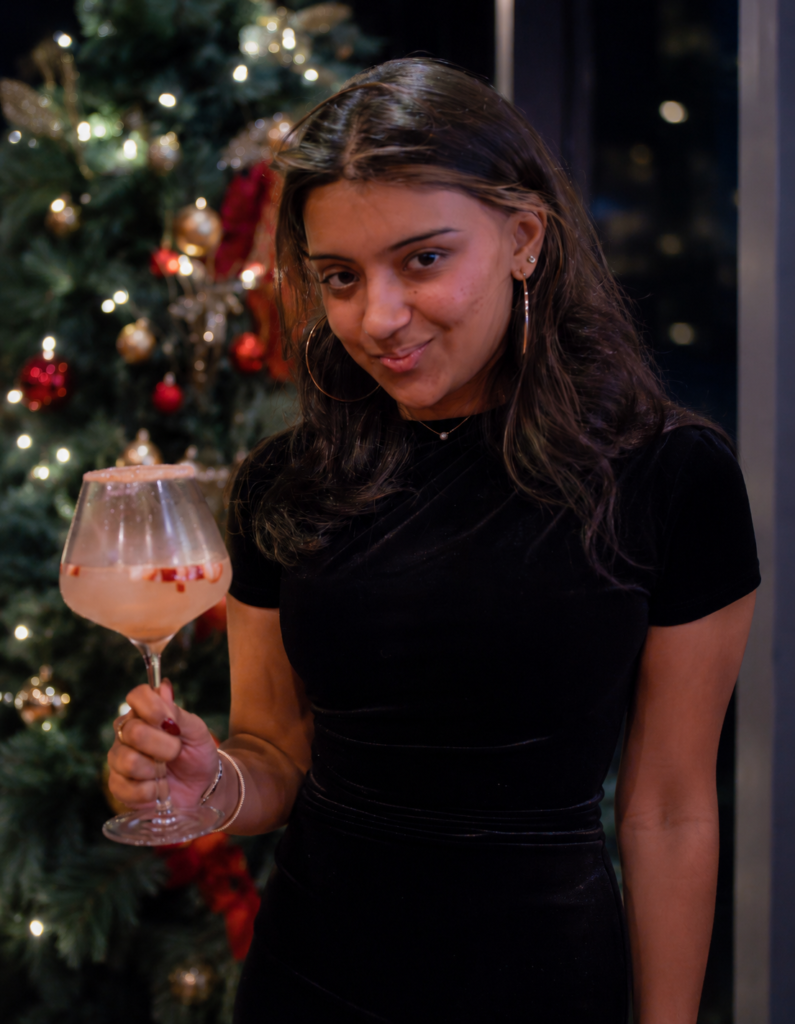
Nikita khandheria is the owner of ERIA, a hospitality and experiences company creating venues, planning services and curated experiences across the San Francisco Bay Area. In this conversation, khandheria explains why ERIA starts by asking what guests should remember, while adapting to clients who see the meal as the heart of an event.
Start event planning with what the client wants guests to remember, then shape the budget around that purpose. A strong point of view should guide the work, not override the client’s idea of a meaningful event.
What’s one opinion about your industry that most of your peers would disagree with?
I think food is overrated. Which is a slightly dangerous thing to say when you’ve built a business in hospitality.
I don’t mean that good food isn’t important. I mean that we’ve somehow confused the quality of a meal with the quality of an experience. They’re not necessarily the same thing.
A beautifully executed dinner can be wonderful, but I think the real luxury today is access to something you couldn’t otherwise experience. Something unexpected, personal, perhaps a little absurd, and entirely impossible to replicate.
I think hospitality, at its best, is less about what we serve people and more about what we make possible for them.
Of course, I recognize the irony of saying all this while running venues where people frequently come to eat. I’m very grateful they do. I just hope they leave remembering something beyond the menu.
What convinced you? Tell us about the moment, client or result that changed your mind.
It wasn’t one particular client or event. It was a realization that came from spending time on both sides of hospitality.
When I was operating a restaurant, I found myself increasingly fascinated by everything happening around the food. The conversations, the celebrations, the extraordinary lengths people would go to in order to make someone they loved feel special.
I began asking myself a fairly simple question: What can we give people that they couldn’t just go out and buy themselves?
You can make a reservation at an exceptional restaurant. You can have a wonderful meal almost anywhere in the world. But you can’t necessarily recreate the feeling of walking into a room that has been transformed entirely for you, or experiencing something so unexpected that you spend the next ten years telling the story.
I realized that was the part of hospitality I loved most.
Eventually, we transitioned away from traditional restaurant operations and focused on private events. It was a significant decision, and I’m incredibly grateful to the clients and team members who trusted us through that evolution.
I think the most useful thing I’ve learned as a founder is to pay attention to what genuinely excites you about your own business. Sometimes the company you set out to build isn’t quite the company you’re meant to build.
What’s the usual way people in your field handle this, and what do you do instead?
I think the conventional approach is to start with the tangible things: the venue, the menu, the bar package, the flowers. You allocate the budget to those categories, and whatever remains goes toward creating the experience.
We try to approach it from the opposite direction.
I like to begin by asking what we want someone to remember five years from now. Not what we want the room to look like, but what we want the evening to mean to the people in it.
Once we understand that, we can make much more thoughtful decisions about where the money should go.
Sometimes that means spending less on an elaborate menu and more on an extraordinary performer, an immersive installation, or an experience that brings people together in an unexpected way.
I’m not suggesting that everyone should spend less on food. I’m suggesting that the budget should reflect what matters most to the client rather than what the industry has traditionally told us matters.
And I think that’s an important distinction. The goal isn’t to spend more money. It’s to make the money mean more.
Where has this view cost you, or where have you had to admit you were partly wrong?
I’ve learned that having a strong point of view is valuable, but assuming everyone shares it is not.
There have absolutely been occasions where our enthusiasm for the experiential side of an event has made a prospective client question whether we take food seriously enough.
And I understand why.
If someone is passionate about dining, the meal may be the entire reason they’re bringing people together. For them, a beautifully conceived tasting menu or the opportunity to have a Michelin-starred chef cook privately for their guests is the extraordinary experience.
We can absolutely deliver that. We work with wonderful culinary partners and can bring in exceptional chefs. But sometimes we haven’t communicated those capabilities early enough because we’ve been so excited to talk about everything else.
That’s something I’ve had to learn.
I think there’s a difference between having a philosophy and imposing it. Our job is not to convince clients that our definition of a memorable event is better than theirs. It’s to understand their definition and help them achieve it.
I’m grateful for the clients who have challenged my assumptions. They’ve made me a better listener, and I think a better business owner.
Being wrong about something is considerably less expensive than refusing to learn from it.
What should someone in your field stop doing, and what should they start doing?
I think we should stop mistaking an abundance of information for good service.
In hospitality, we’re often so eager to demonstrate everything we can do that we overwhelm people before we’ve even understood what they need.
We send lengthy proposals, extensive menus, rental catalogues, pricing structures, and endless possibilities. All of that information may be useful eventually, but when someone is planning an event for the first time, it can feel like being handed a textbook in a subject they’ve never studied.
I’ve been guilty of this myself. When you’re excited about your business, you naturally want to tell people everything about it.
But I’ve come to believe that one of the greatest forms of hospitality is making something complicated feel effortless.
We should start by listening more carefully, asking better questions, and being more deliberate about what we present.
A client shouldn’t need to become an expert in event production to host a beautiful event. That’s why they’ve come to us.
I’m still learning how to do this well, but I think the best service is often the work your client never realizes you had to do.
And if we’ve done our jobs properly, they should be able to spend the evening doing the one thing they came to do: enjoying it.
Thank you to Nikita khandheria and the team at ERIA for sharing an honest view with Leaders Perception readers.
Have a view your industry needs to hear?
Leaders Perception publishes interviews with business owners and leaders who see their industry differently. Five questions, about ten minutes, no calls. It is free and every completed interview gets published.