
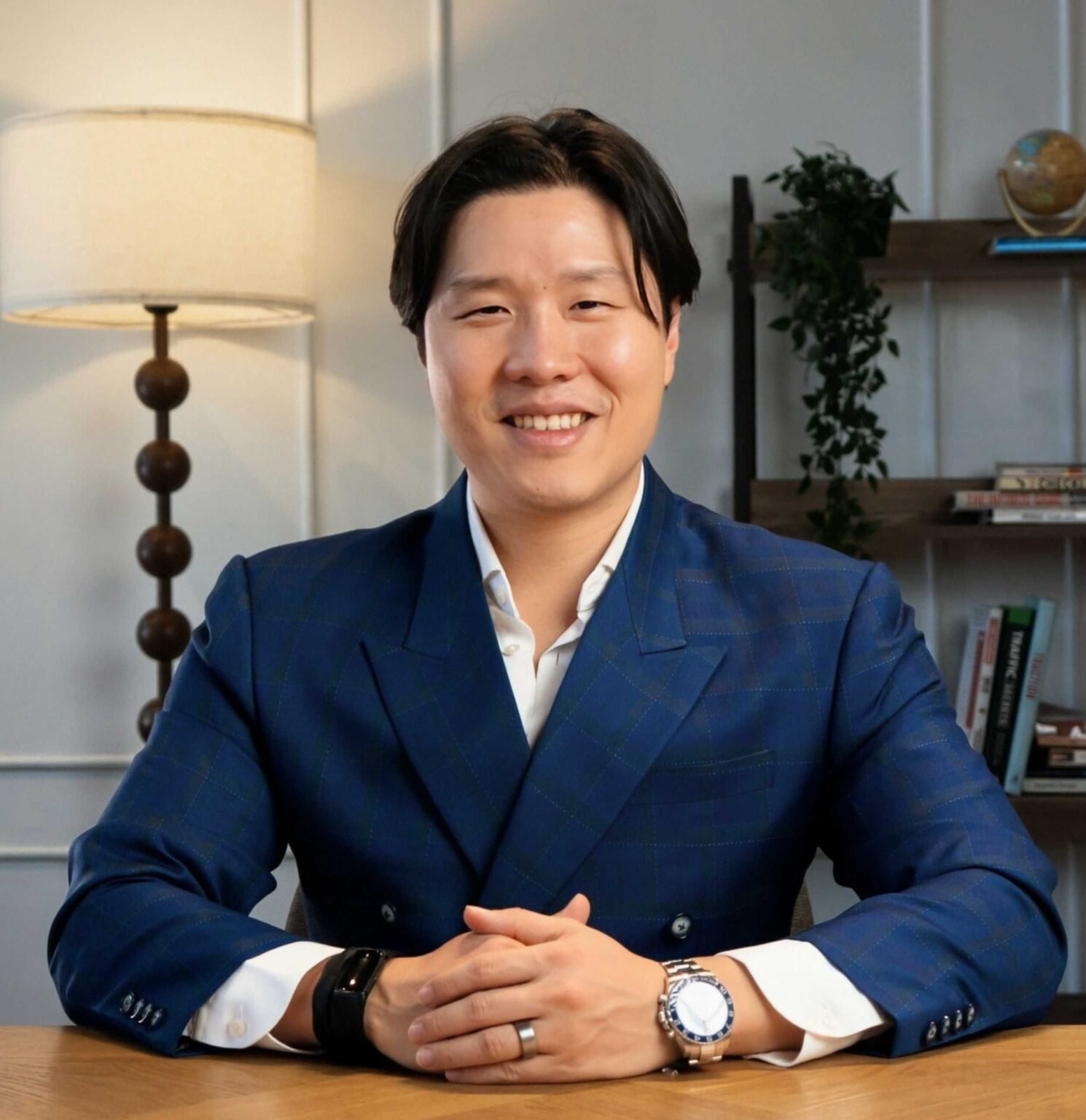
Sean Si on keeping SEO Hacker credible as AI changes search
Sean Si is CEO of SEO Hacker, which helps companies build visibility, qualified leads and growth through SEO, AEO, GEO and digital marketing. This conversation looks at how prospects are arriving better informed through AI-assisted search, where AI helps with day-to-day work, and why Sean Si keeps personal experience at the heart of thought leadership.
Use AI for first passes on repetitive work, but keep a person accountable for the result. In search, build trust with useful content grounded in first-hand expertise, and measure qualified leads and conversions alongside visibility.
What’s the quick origin story of your business, and what makes what you do genuinely different from the other options your customers are looking at?
SEO Hacker did not start with a business plan. It started because almost nobody was reading my personal ministry blog. Around 2009, I taught myself SEO through forums, tested everything on that little site, and created SEO Hacker to document what worked. Then, on a boat trip to Palawan, I met the woman who would later become my wife, Apple. Her uncle ran a school-supply company. I walked into that opportunity with no portfolio, no pricing system, and a three-page proposal—and somehow closed a $1,000-a-month account, roughly twice what HP was paying me then. I was the first and only employee, doing the content, links, development, design, and sales. That is still our edge today: we learned search by doing the work in the trenches. We stayed white-hat through every major algorithm change, and now we are helping companies make the same shift from traditional SEO into AEO and GEO.
Where does most of your new business come from today, and where do you wish it came from?
Our business has always been carried by referrals, relationships, my personal brand, and inbound search. Early on, one relationship led to one client, that client gave me credibility, and the next referral kept the ball rolling. But I also saw the weakness in depending too much on the founder. In 2025, I poured most of my attention into my JCI Manila director role. My personal brand became quiet, our marketing slowed down, and the pipeline felt it. So where do I wish new business came from? I want our expertise, content, case studies, and products to create a more predictable stream of qualified opportunities through both search and AI discovery—not only through who I personally know or how visible I am that month.
What’s one thing you’ve actually handed over to AI in the last year, and one thing you tried it on and went back to doing the human way?
I have handed the first pass on messy information over to AI. After a meeting, it can turn a long recording into decisions, commitments, and next steps. It can organize research, help me pressure-test a pricing model, and clear repetitive administrative work before it reaches me. That gives me back time for decisions only I should make. What I tried—and pulled back from—was letting AI become the final writer of my thought leadership. The copy looked clean, but it could have belonged to anyone. It did not sound like the guy who failed 28 units in college, left HP, and built a company with no portfolio and a three-page proposal. So I went back to starting with my own recordings, stories, mistakes, and convictions. AI can structure and sharpen them, but it cannot supply the life behind them.
Have you noticed a change in how customers find you or what they already know before they reach out? Is anyone arriving through AI assistants like ChatGPT yet?
When I started SEO Hacker, I first had to explain to business owners what SEO even was. Today, prospects are already asking us how they can appear in Google AI Overviews, ChatGPT, Gemini, and other generated answers. They come into the first meeting knowing more, using terms like AEO and GEO, and sometimes carrying an AI-generated shortlist or brief. That changes the conversation from ‘Why do I need search?’ to ‘How do I become one of the sources AI trusts?’ We are seeing early signs of customers discovering or evaluating companies through AI assistants, but attribution is still messy, so I do not want to overclaim. Referrals and traditional search remain our clearest measurable sources today. AI-assisted discovery is growing, and the direction is obvious even if the reporting is not perfect yet.
If you were advising someone in your industry on all of this for the next 12 months, what would you tell them to actually do, and what would you tell them to ignore?
I would tell them not to panic and not to chase every shiny AI tool. Years ago, companies used shortcuts to manipulate Google until updates like Panda exposed them. We stayed white-hat, and that discipline became an advantage. The same principle applies now. Build real first-party expertise. Publish useful content backed by experience and proof. Make it easy for both search engines and AI systems to understand who you are, what you know, and why you are credible. Measure mentions, citations, qualified leads, and conversions—not rankings alone. Then choose one repetitive workflow, hand the first pass to AI, and keep a human accountable for the result. Ignore the people saying SEO is dead, and ignore the people promising you can replace your whole team overnight. Channels change. Trust, authority, relevance, and genuinely understanding the customer do not.
Thank you to Sean Si and the team at SEO Hacker for sharing what actually worked with Leaders Perception readers.
Want to share your playbook?
Leaders Perception publishes founder and operator interviews every week. A few questions, about five minutes, no calls. It is free and everyone we accept gets published.