
The AI Reality Check
Lee Charlton on AI, website copy and keeping photography human
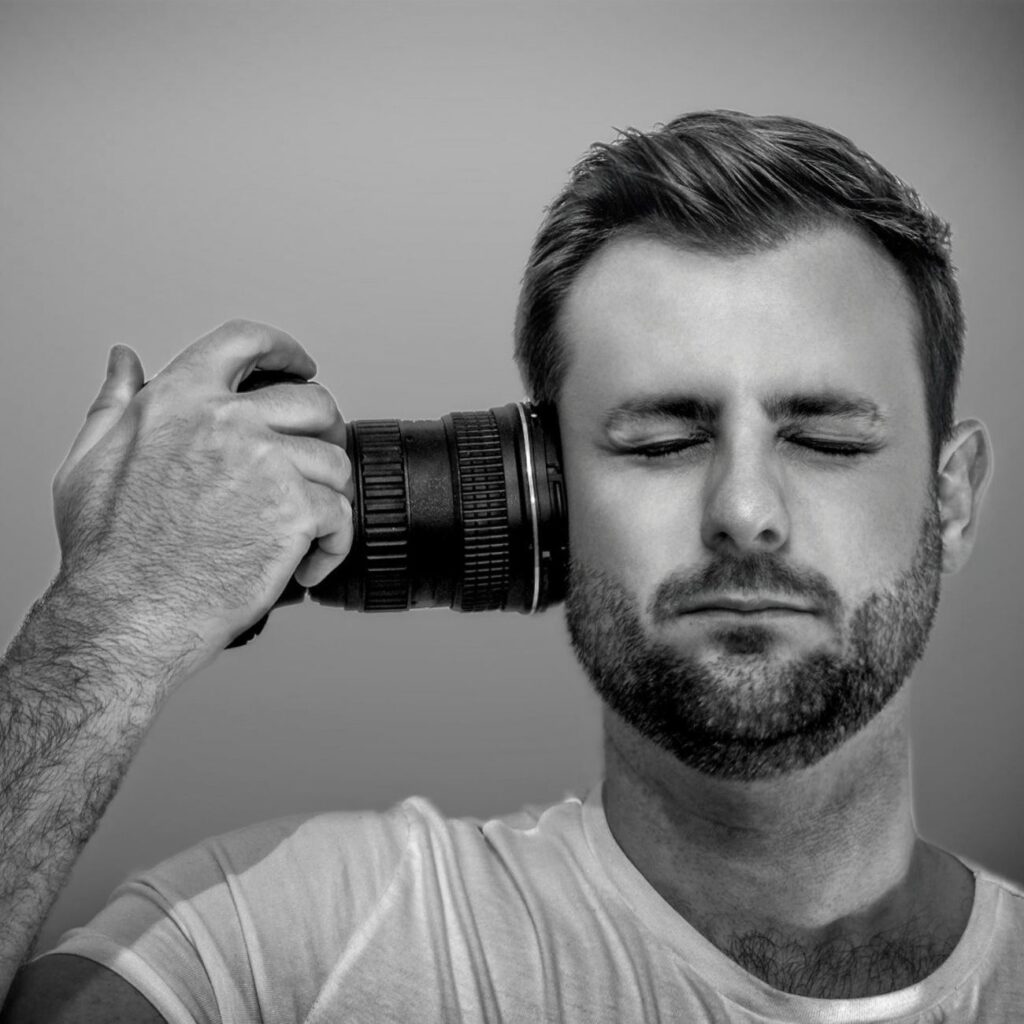
Lee Charlton is the founder of Lee Charlton Photography, working across travel, corporate, events and commercial photography. After years in-house at organisations including TUI and the RHS, he runs the whole job himself – from the first email to the final edit – which is what makes this interview useful.
AI has been most useful in the unglamorous parts of the business: rebuilding the website, shaping SEO and getting first drafts done faster. It has been less useful in client communication, where sounding like a real person still matters more than automation.
What’s the quick origin story of your business, and what makes what you do genuinely different from the other options your customers are looking at?
I’ve been a professional photographer for over 15 years, working across travel, corporate, events and commercial photography. After years working in-house for large organisations, including as Global Photography Manager at TUI, and Photography & DAM Manager at the RHS, I started building my own photography business alongside that career.
What probably makes me a bit different is the mix of experience. I’ve worked on big international campaigns, but I’m also the person answering the emails, planning the shoot, taking the photos and editing them afterwards. Clients aren’t being passed between a salesperson, account manager and photographer.
I also try not to make photography more complicated than it needs to be. A lot of clients aren’t particularly comfortable in front of a camera or don’t really know what they need when they first contact me. A big part of my job is making that side of it easy, getting people relaxed and working out what will actually be useful to them rather than just turning up and taking pictures.
Where does most of your new business come from today, and where do you wish it came from?
Most of my new business comes through my website, either from people finding me through Google or from previous clients coming back or recommending me.
Social media is useful, but I see it more as part of my online presence than a major source of enquiries. People will often look me up there after finding me somewhere else, so it helps show that I’m active and gives them a feel for the kind of work I do.
What’s one thing you’ve actually handed over to AI in the last year, and one thing you tried it on and went back to doing the human way?
One thing I’ve properly handed over to AI in the last year is a huge amount of the work around my website. I rebuilt it from scratch and used AI heavily for the structure, SEO, page copy, blog ideas and working out where I was missing opportunities. I still make the final decisions, but it’s probably saved me months of work (and thousands of £££) and helped me think about the website much more strategically.
The thing I pulled back from was automating too much of my client communication. I experimented with making emails and follow-ups more automated, but they started to feel a bit cold and generic. Photography is quite personal, and sometimes the difference between getting a booking and not getting one is just sounding like an actual human being.
I still use AI to help me draft things or work out what I want to say, but I nearly always rewrite it into my own voice before it goes anywhere near a client.
Have you noticed a change in how customers find you or what they already know before they reach out? Is anyone arriving through AI assistants like ChatGPT yet?
Yes, definitely. I can see from my analytics that some traffic is now coming from AI tools like ChatGPT, although I couldn’t honestly tell you yet how significant that is compared with Google.
The bigger change I’ve noticed is that people are often much better informed before they contact me. They’ve usually spent time on the website, looked through the different types of work I do, read about the process and have a much clearer idea of what they want.
That means enquiries tend to come in with a stronger brief and more realistic expectations, which makes the whole conversation easier from the start.
If you were advising someone in your industry on all of this for the next 12 months, what would you tell them to actually do, and what would you tell them to ignore?
I’d tell them to use AI where it genuinely saves time or helps them think better, rather than trying to force it into every part of the business.
For photographers, that probably means things like website content, SEO, research, planning, admin, marketing ideas and getting a first draft of something down quickly. It can take a lot of the repetitive work off your plate.
What I’d ignore is the constant stream of new AI tools promising to completely transform your business. Most of them won’t. Pick a couple of tools that actually fit how you work and get good at using them.
And I definitely wouldn’t use AI as an excuse to become less human. In photography, people are still buying your judgement, your style and how you make them feel in front of the camera. That’s the bit I’d protect.
Thank you to Lee Charlton and the team at Lee Charlton Photography for sharing what actually worked with Leaders Perception readers.
Want to share your playbook?
Leaders Perception publishes founder and operator interviews every week. A few questions, about five minutes, no calls. It is free and everyone we accept gets published.