
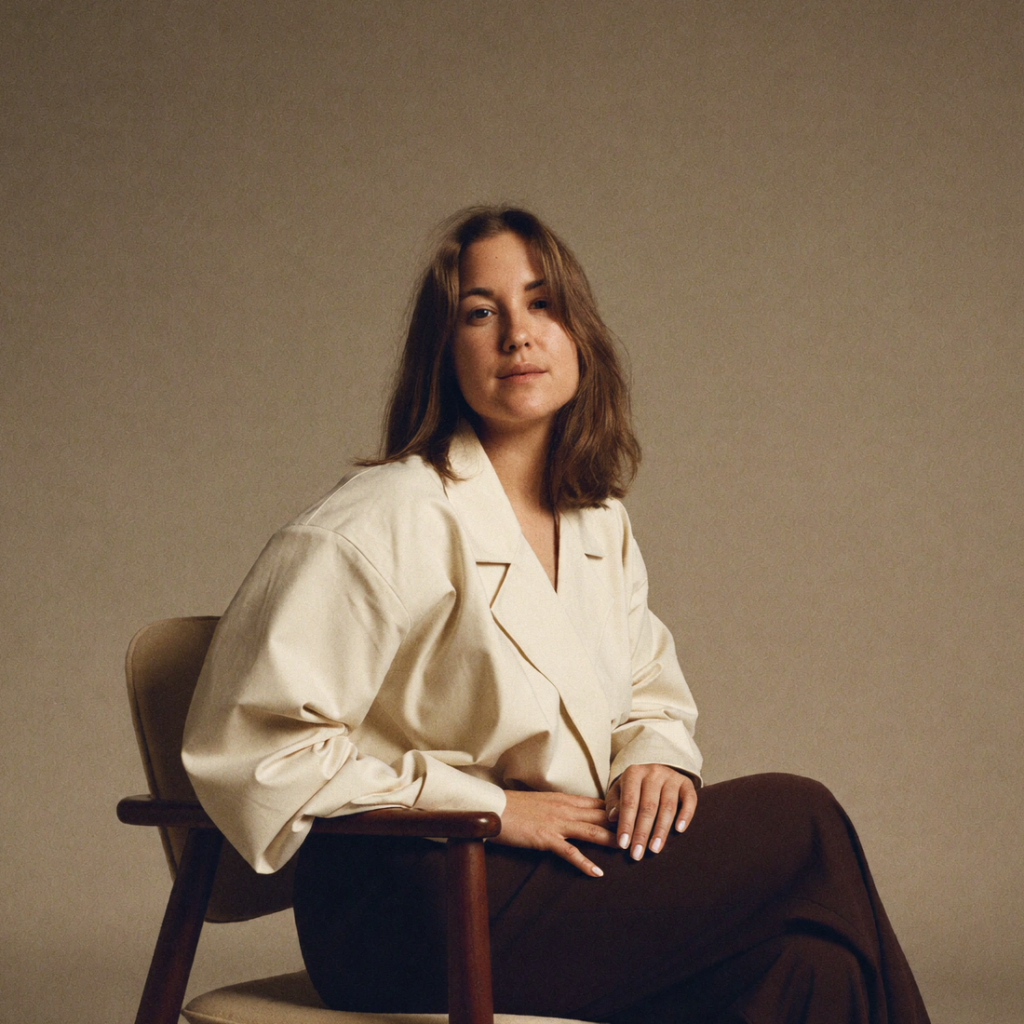
How Naomi Bilder built a studio around brand-led AI imagery
Naomi Bilder is the founder of Bilder Studio, a Manchester-based AI creative studio making campaign and ecommerce imagery for beauty, fashion, lifestyle and jewellery brands. This conversation explores how self-initiated campaigns helped attract clients, why product accuracy matters, and how sharing creative direction earlier can make the process more collaborative.
Build a portfolio that shows your taste and the work you want to be commissioned for, rather than waiting for a brief. Share ideas early, learn the fundamentals that outlast changing tools, and give product details the same attention as the overall concept.
What’s the short story of how your business started, and what makes it genuinely different from the other options your customers have?
I first explored AI imagery while running my own handmade home decor brand. I loved making the products, but creating the images opened up another side of my creativity. It brought together art, photography and fashion, and I wanted to take that further by working with other brands.
That became Bilder Studio. Clients work directly with me throughout, from shaping the idea to refining the final images. I bring a maker’s eye for detail to the work, with as much attention to the actual product as to the world around it.
How did you win your first customers, and where does most of your new business come from today?
I started by creating the kind of work I wanted to be commissioned for: self-initiated campaigns for brands I admired, which I shared on LinkedIn and Instagram. It gave people a feel for my style and what I could create for their brand.
My first clients found me through my website after seeing my work online. Being listed in a creative services directory has helped too. I work with clients across different industries, and I enjoy getting to know each brand and finding the right creative approach for its products.
What’s one decision that changed the direction of your business, and one mistake that taught you the most?
The decision was to stop waiting for a brief. Building spec campaigns before anyone asked me to meant I had a portfolio that showed how I think, not just what the tools can do.
One mistake was spending too long developing an idea before sharing it with the client. When you care about the work, it’s easy to want everything to look finished before anyone sees it. I’ve learnt to share the direction earlier and develop it together. It makes the process more collaborative and helps me put my time into the details that matter to the client.
What has changed in your industry or in what your customers expect over the last couple of years, and how have you adapted?
AI imagery has become much more common, and brands are curious but cautious. They want images that feel right for their brand and show their products accurately. Whether it’s beauty, fashion or lifestyle, the colour, texture and details matter.
I’ve adapted by putting more care into understanding the product from the start. I work from detailed photographs and ask for a physical sample where needed. For a beauty shade project, I swatched the products on my own skin to create references. I check the details throughout and retouch the final images by hand. The creative side gets the same care: every campaign starts with a concept, not a prompt.
If you were advising someone starting out in your industry today, what would you tell them to do first, and what would you tell them to ignore?
I’d tell them to build a body of work that shows their taste, not just their technique. Pick brands you’d love to work with and create self-initiated campaigns that show what you could bring to them. Learn the fundamentals of light, composition and styling, because the tools keep changing, but those skills stay with you.
Ignore the pressure to try every new tool or follow every trend. Give yourself time to develop your own style and learn what makes an image work. That’s what will help you create work people remember.
Thank you to Naomi Bilder and the team at Bilder Studio for sharing what actually worked with Leaders Perception readers.
Want to tell the story behind your business?
Leaders Perception publishes interviews with business owners and leaders every week. Five questions, about ten minutes, no calls. It is free and every completed interview gets published.