
In 2012, ben francis and his friends started a small venture in a family garage. Much like the early days of Apple or Amazon, this young company began with manual labor and big dreams. This gymshark growth strategy case study explores how they changed the fitness world forever.
The founders originally spent their nights sewing and screenprinting apparel themselves. They successfully reached a billion-dollar valuation in just eight years without early outside funding. This brand quickly became a global powerhouse by focusing on a specific digital audience.
Traditional marketing methods did not fit their vision for the future. Instead, they used social media to build real connections with athletes and fans. This detailed case study highlights how they bypassed old retail stores to sell directly to consumers.
By prioritizing authenticity, the brand created a community that felt like a family. Their smart use of social media influencers helped them compete with massive giants in the fitness industry. Today, the brand serves as a perfect example of modern marketing success.
Key Takeaways
- Gymshark achieved a £1 billion valuation in eight years through a social media-first approach.
- The business started in a garage, similar to iconic companies like Google and Walt Disney.
- Founders Ben Francis and Lewis Morgan initially manufactured the products by hand to save costs.
- The brand disrupted the industry by choosing influencer partnerships over traditional television ads.
- Authentic community building allowed the startup to compete with established giants like Nike.
- A direct-to-consumer model provided better data and higher profit margins for the business.
- The growth shows how identifying market gaps can lead to rapid unicorn status.
The Garage Startup That Disrupted Fitness Apparel
In 2012, a small garage in the United Kingdom became the unlikely birthplace of a global billion-dollar empire. Ben Francis and co-founder Lewis Morgan did not have a massive budget or a fancy office. They simply had a vision to create better apparel for the bodybuilding community.
This modest setup forced the founders to be hands-on with every single detail. They handled everything from sewing the fabric to screenprinting the logos themselves. This raw approach laid the foundation for a fitness movement that would soon change the industry.
Why Garages Breed Billion-Dollar Companies
The garage startup phenomenon represents more than just a physical location. It symbolizes an entrepreneurial spirit that thrives on minimal resources and maximum grit. This environment encourages creators to focus on the work rather than the perks of a corporate company.
Many of the world’s most influential businesses began in similar humble spaces. Famous names like Apple, Google, and Amazon all started without big initial investments. Their eventual success came from a relentless drive to solve a specific market problem.
The garage is a place of freedom where the only thing that matters is the quality of your idea and your willingness to work for it.
| Company | Founders | Original Location |
|---|---|---|
| Apple | Jobs & Wozniak | Los Altos Garage |
| Amazon | Jeff Bezos | Bellevue Garage |
| Gymshark | Francis & Morgan | Parents’ Garage |
2012: Starting with Minimal Capital and Maximum Determination
In the beginning, the duo lacked the capital to manufacture large batches of products. To fund their dream, they initially used a dropshipping model for fitness supplements. This clever marketing and sales strategy provided the cash needed to buy their first sewing machine.
They identified a clear gap in the market for fitted, aesthetic workout gear. No one else was making clothes that highlighted a lifter’s physique properly. By fulfilling this need themselves, they triggered massive growth in the brand.
The founders’ willingness to handle production and customer service themselves built a culture of authenticity. Their determination to succeed against all odds proved that passion is more valuable than initial funding. This brand launch was the spark that ignited a global revolution.
Ben Francis: The 20-Year-Old Who Revolutionized Fitness Marketing
Before the billion-dollar valuation, Ben Francis spent his nights delivering pizzas and his days dreaming of a better apparel brand. He was not a seasoned executive when he launched his company.
Instead, he was a 20-year-old student with a vision that would soon reshape global marketing strategies. His journey proves that a deep understanding of a niche can outperform a massive corporate budget.
Juggling University, Pizza Delivery, and Late-Night Sewing
Ben lived a hectic life, balancing university lectures with his job as a pizza delivery driver. Late at night, he shifted his focus to a sewing machine in his parents’ garage.
This hands-on approach allowed him to learn the intricacies of clothing construction firsthand. He worked tirelessly to turn a small idea into a physical product that he actually wanted to wear.
He understood the financial constraints of his peers because he lived them. This personal struggle helped him build a brand that felt real to his customers.
Co-Founding Gymshark with Lewis Morgan
Ben joined forces with his friend Lewis Morgan to build the foundation of the company. They shared a deep passion for fitness and a desire to create something unique for the community.
Together, they combined their skills to navigate the early challenges of the apparel industry. This partnership proved essential for guiding the company through its first major growth phases.
The Bodybuilder’s Perspective That Changed Everything
As an active bodybuilder, Ben Francis realized that most workout wear was either too baggy or way too expensive. He wanted fitted, lightweight pieces that highlighted a person’s physique.
He noticed that existing companies ignored the specific needs of young fitness enthusiasts. By sewing these items himself, he filled a massive gap in the market that larger labels overlooked.
His authentic insider perspective allowed him to master marketing through the eyes of a consumer. He focused on what his peers needed rather than what the industry dictated for a workout.
“I was just a kid who liked making stuff and wanted to wear cool clothes to the gym, so I made them myself.”
This focus on authenticity became a cornerstone of his fitness empire. It allowed him to reach people who felt ignored by traditional sportswear giants and their generic marketing campaigns.
| Feature | Standard 2012 Apparel | Gymshark’s Initial Vision |
|---|---|---|
| Fit | Loose and baggy | Physique-enhancing and fitted |
| Price Point | Premium and expensive | Affordable for students |
| Origin | Corporate design labs | Hand-sewn by active lifters |
Identifying the Market Gap: Fitted, Physique-Enhancing Workout Wear
Success often stems from solving a personal problem, and for Ben Francis, that problem was the state of contemporary workout gear. He spent hours in the gym but felt the available clothes hid his hard work rather than highlighting it. This frustration sparked a unique vision for a new kind of fitness brand.
What Bodybuilders Actually Wanted to Wear
In 2012, the market was full of baggy, unflattering shirts that served general purposes. These designs ignored the aesthetic goals of lifters who wanted to see their progress in the mirror. Ben Francis looked for physique-enhancing, lightweight pieces that moved with the body during intense sessions.
Because no one else was making these items, he started sewing his own designs. These early products filled a specific void left by major athletic giants who focused on general performance. Gymshark prioritized how a workout looked and felt for the serious athlete.
The Dropshipping Strategy That Bootstrapped the Clothing Line
Funding a new apparel line required capital that the young founders did not have. To solve this, they launched the website as a supplement company using a dropshipping model. This clever strategy allowed them to generate cash without holding expensive inventory.
| Feature | Traditional Brands | Early Gymshark |
|---|---|---|
| Clothing Fit | Baggy and loose | Fitted and tapered |
| Funding Source | External investors | Dropshipping revenue |
| Design Input | Market surveys | Personal experience |
They used every cent of profit from these supplement sales to buy a screen printer and a sewing machine. This approach ensured they maintained total control over their brand vision. They avoided debt and kept the freedom to innovate quickly.
Building Products Around Real Athlete Needs
Gymshark did not rely on corporate focus groups; they relied on their own experiences as lifters. By building products they actually wanted to use, they ensured an authentic connection with every customer. They focused on what lifters needed rather than what was easiest to manufacture.
Their initial marketing efforts were simple and direct. They spoke the language of the gym, targeting people who shared their passion for the iron. This product-first philosophy meant the marketing felt like a conversation among friends rather than a cold sales pitch.
Gymshark Growth Strategy Case Study: The Influencer Marketing Revolution
The true explosion of Gymshark’s popularity began when the brand pivoted away from conventional advertising toward a more personal approach. By focusing on a community-driven marketing strategy, the company tapped into a new way of connecting with fitness enthusiasts. This shift moved the needle from simple clothing sales to building a massive digital movement.
The $500,000 First Year Powered by Authentic Endorsements
In 2012 alone, Gymshark generated $500,000 in sales through organic reach. This impressive revenue came at a time when most fitness brands still relied on print magazines. Ben Francis realized that influencer marketing could bridge the gap between a small startup and a global audience.
He targeted individuals who lived the fitness lifestyle every day. These early partners didn’t just post photos; they shared their genuine journey with the brand. This created a level of trust that traditional commercials could never achieve.
How a 6.6x Instagram ROI Validated the Entire Model
The company saw a staggering 6.6x return on investment through its early social media efforts. This success proved that social media was the most effective media for building a modern identity. By running low-cost campaigns, the team maximized its engagement without needing a massive corporate budget.
This high return confirmed that the digital strategy was scalable. It allowed the founders to reinvest every penny into new content and product development. This lean media model became the foundation for their future global expansion.
Sending Free Gear to Fitness Heroes
Because Francis faced tight financial constraints, he developed a unique gymshark marketing tactic. He sent free apparel to YouTubers he truly admired, hoping they would like the design. This simple strategy turned fitness heroes into genuine supporters of the gymshark marketing vision.
Early influencers like Lex Griffin, Matt Ogus, and Chris Lavado became the face of the clothing line. These first influencers didn’t sign complex contracts; they simply wore the gear because they loved the fit. This influencer partnership model focused on mutual respect rather than a purely transactional relationship.
The influencer shared the products because they fit their rigorous training needs. When an influencer showed the gear in action, their followers noticed the quality immediately. This created an organic buzz that fueled the next phase of marketing.
Why Authenticity Drove 40% of Early Sales
Authenticity became the core of the broader marketing strategy. This honest connection with customers was responsible for 40% of early sales via Instagram. People wanted to buy from a brand that felt real and relatable.
- Organic Endorsements: Genuine praise from athletes beat paid hype every time.
- Community Focus: Audiences rewarded the brand for prioritizing people over advertising.
- Niche Targeting: Focusing on specific social media personalities increased credibility.
When creators share content about products they actually use, it creates a powerful bond. This marketing method ensured that Gymshark wasn’t just another label. It became a badge of honor for lifters who valued transparency and hard work during their campaigns.
Building a Movement, Not Just a Customer Base
Ben Francis understood that a lasting business requires more than transactions; it needs a movement. Gymshark recognized early that building a community of passionate advocates would create sustainable growth. Instead of just acquiring transactional customers, they focused on nurturing long-term relationships. This community building approach turned casual buyers into lifelong fans of the brand.
The “By Lifters, For Lifters” Philosophy in Action
The “By Lifters, For Lifters” philosophy was much more than a simple tagline. It was a genuine commitment to serving the unique needs of fitness enthusiasts worldwide. By truly understanding the daily struggles of gym-goers, the brand stayed relevant and grew its community.
The team knew exactly what a lifter needed because they were lifters themselves. They didn’t treat their followers as a generic demographic. Instead, they treated them as partners in a shared mission to improve their physiques.
User-Generated Content and the #GymsharkSquad
The #GymsharkSquad hashtag became a powerful tool for community building. It encouraged people to share digital content and their personal fitness journeys while wearing the apparel. This user-generated content provided authentic proof that no paid marketing could ever match.
Sharing this content helped the company grow faster than its competitors. Seeing real people achieve results in the clothing created a massive wave of trust and social proof. This user-generated content strategy turned every customer into a voluntary spokesperson.
How Community Engagement Created Brand Loyalty
High levels of community engagement helped the company stay connected to its core values. They responded to comments and featured real users in their video content regularly. This engagement made the audience feel heard and valued by the company founders.
Such community engagement is vital for any modern brand looking to survive. By creating posts that resonated with daily gym struggles, they moved past polished, unattainable imagery. They focused on real life and the hard work of the engagement process instead.
Social Media as the Primary Marketing Channel
Social media platforms served as the primary media outlets for Gymshark marketing. Using social media, they communicated with their community directly without expensive intermediaries. This use of media and direct engagement helped them find new customers easily.
This social media strategy remains a legendary example of modern growth. It allowed for a self-reinforcing cycle where engaged members attracted new ones. By focusing on community building, they secured long-term value that far exceeded short-term sales goals for the community.
The 2013 Body Power Expo: £30,000 in 30 Minutes
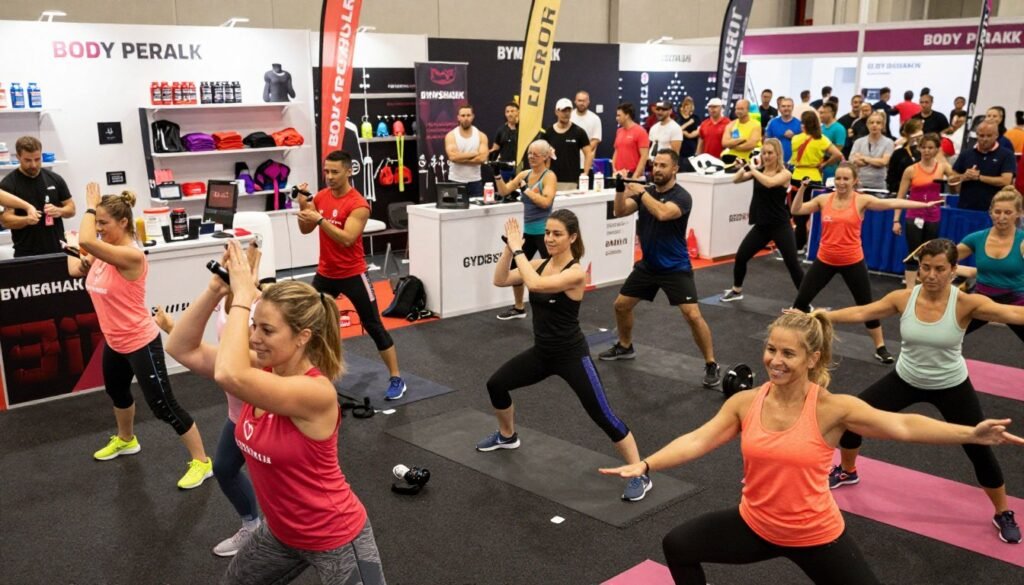
In May 2013, the digital buzz surrounding the startup transformed into tangible, overwhelming demand at a major exhibition. This weekend served as a massive turning point for the young brand. The team moved from shipping small orders in a garage to meeting thousands of fans face-to-face.
A 100x Revenue Increase That Confirmed Explosive Potential
The impact of this physical presence was immediate and massive. After the expo website relaunch, daily revenue skyrocketed to £30,000 in just 30 minutes. This was a 100x increase that confirmed the model’s explosive growth potential for everyone involved.
The overwhelming response confirmed that the company had built genuine demand rather than manufactured hype. Customers eagerly purchased products they had been waiting to access for months. This moment validated that their online efforts had created a real-world sensation.
| Metric | Standard Daily Average | 30-Minute Relaunch |
|---|---|---|
| Financial Return | ~£300 | £30,000 |
| Growth Factor | 1x Baseline | 100x Increase |
| Customer Response | Steady Interest | Explosive Demand |
The Power of In-Person Community Events
Gymshark combined influencer marketing with attendance at the biggest fitness events. This strategy allowed them to connect with their community in person for the first time. These events showed that online followers were hungry for physical interaction.
“The 2013 Body Power Expo represented a pivotal moment where we realized the scale of what we were building.”
These gatherings created emotional connections that could not be replicated through digital screens alone. By stepping out of the digital world, the team strengthened relationships and created memorable experiences. This made the brand feel more human and accessible to its target audience.
Welcoming More Lifters Into the Family
The phrase “welcoming more lifters into the family” captures the success of their approach. They treated every interaction as a chance to expand their fitness community. This was never about simple sales transactions or hitting monthly quotas.
Strategic offline participation helped amplify online reach in ways that traditional ads never could. The brand recognized that these events were the best way to foster long-term loyalty.
- Face-to-face interaction turned social media followers into lifelong fans.
- Immediate product access at the expo fueled massive word-of-mouth buzz.
- The event proved that online community building translates directly into offline demand.
Scaling the Model: 2015-2019 Explosive Growth Phase
As the brand entered its middle years, the team focused on turning experimental tactics into a structured engine for massive expansion. They proved their strategy could work on a massive scale across different international markets. This era turned a small project into a global force through a smart influencer approach.
Launching the Formalized Gymshark Athlete Program
Gymshark shifted from casual deals to the structured “Gymshark Athlete” program. They picked influencers who lived the fitness lifestyle every day rather than just those with huge followings. This helped the brand keep its authentic feel while growing its global reach.
Partners had to show they genuinely loved the products before signing a formal deal. This integrity ensured that every post felt like a recommendation from a friend. This brand-first mindset prevented the company from feeling like a corporate giant.
Multi-Platform Expansion: Instagram, YouTube, and TikTok
The team did not just stay on one site during this period. They adapted their content for different types of social media to keep users engaged. They used Instagram for visual inspiration and YouTube for longer storytelling.
When TikTok emerged, they were among the first to master its viral trends. This ensured they met their audience wherever they spent their time. By diversifying their media presence, they protected the business from platform changes.
The Nikki Blackketter Collaboration: Sold Out in Hours
In 2017, a partnership with Nikki Blackketter changed the company’s trajectory forever. The products from this special line sold out in mere hours, surprising even the internal team. It showed the massive power of a well-timed influencer collaboration.
Long Queues at Pop-Up Events
Digital success soon moved into the real world with massive offline events. Fans stood in lines for hours just to meet their fitness heroes in person. These media moments proved the community was real and intensely loyal.
Campaign Sales Impact Over 200%
These campaigns were not just about getting likes or followers. They drove sales up by over 200% compared to the normal daily baseline. Each of these successful campaigns helped the brand gain more momentum for future launches.
Revenue Growth from £500,000 to £258 Million
The financial results of this marketing were nothing short of stunning. Total revenue jumped from £500,000 to a massive £258 million in just a few short years. This 500x growth was tied directly to their influencers and social media presence.
| Growth Factor | Financial Impact | Primary Channel |
|---|---|---|
| Early Marketing | £500,000 Revenue | Niche Forums |
| Scaled Campaigns | £40+ Million | YouTube/Instagram |
| Explosive Growth | £258 Million | Multi-Platform |
To summarize the success of this period, the team focused on these pillars:
- Creating viral content that users wanted to share with friends.
- Hosting events that turned digital followers into real-life communities.
- Executing campaigns that combined high-quality fashion with fitness utility.
The Financial Proof: Quantifying Influencer Marketing ROI
The financial results of the gymshark marketing strategy provide a clear window into how digital influence translates into massive profit. This case study shows that high growth requires bold financial moves. The company prioritized long-term dominance over immediate gains.
Annual Revenue Growth 2013-2020 Breakdown
The growth trajectory of Gymshark is nothing short of legendary. By looking at the revenue numbers, we see a pattern of exponential success. These figures validate the effectiveness of their influencer-led marketing campaigns.
| Fiscal Year | Annual Revenue | Growth Stage |
|---|---|---|
| 2013 | £500,000 | Startup Launch |
| 2017 | £41 Million | Scaling Phase |
| 2020 | £258 Million | Global Dominance |
2013: £500,000
2017: £41 Million
2020: £258 Million
Marketing Investment: 43% of Total Revenue
Gymshark reinvested a staggering 43% of its total money back into marketing. This bold strategy prioritized acquiring new customers and building brand awareness. They focused on long-term scale instead of short-term profit margins.
By spending heavily on talent, they secured the best voices in the fitness industry. This approach allowed them to grow much faster than competitors who played it safe. Their high spending created a barrier to entry that other brands could not match.
“Gymshark prioritized customer acquisition and brand building over short-term profitability to ensure market dominance.”
The Direct-to-Consumer Advantage: 96.4% of Sales
A remarkable 96.4% of all sales came directly from the consumer through their website. This direct-to-consumer method gave the brand total control over the customer experience. It also allowed them to gather direct data on what their customers wanted.
How Higher Margins Funded Aggressive Reinvestment
The DTC model provided significantly higher profit margins compared to traditional retail. In this case, the extra profit acted as fuel for the business. Every pound earned helped fund more influencers and better products.
Owning the customer relationship meant they didn’t have to share profits with third-party stores. This financial independence allowed for rapid global expansion without needing outside help. The higher margins created a virtuous cycle that sustained their explosive growth for years.
August 2020: Achieving Unicorn Status at £1 Billion Valuation
Reaching a ten-figure valuation is a rare feat for any startup, yet Ben Francis achieved this milestone in 2020. This year marked the official transformation of the business into a “unicorn,” a term for a private firm valued over $1 billion. This achievement validated years of hard work, community focus, and intense dedication to the fitness community.
General Atlantic’s $261 Million Investment for 21% Stake
In August 2020, the global private equity firm General Atlantic changed the brand trajectory forever. They invested approximately $261 million to acquire a 21% equity stake in the company. This massive deal officially valued the fitness giant at more than £1 billion during a time of global uncertainty.
Second British Company Since 2001 to Reach This Milestone Unfunded
Gymshark made history by demonstrating that organic scaling can lead to massive financial rewards. It became only the second British company since 2001 to hit a billion-pound valuation without taking any prior external funding. Ben Francis proved that a bootstrap-to-billion strategy actually works in the modern digital age.
What Made Gymshark Worth Over $1 Billion
The explosive growth of the fitness brand relied on incredibly strong financial foundations and athlete loyalty. For the 2020 fiscal year, the business reported a massive revenue of £258 million. This case study shows that institutional investors recognized Gymshark as a legitimate rival to established giants like Nike and Adidas.
International Expansion Plans Fueled by the Investment
The new capital allowed the brand to target global customers with much higher precision and speed. They planned to replicate their UK marketing success across the United States and various Asian markets. This capital injection ensured the team could maintain its community-focused approach while scaling rapidly in new territories.
“This is a massive milestone for the brand, but we are just getting started on our journey to be the greatest fitness company in the world.”
| Growth Metric | 2020 Performance | Strategic Impact |
|---|---|---|
| Valuation | £1 Billion+ | Achieved “Unicorn” Status |
| Investment | $261 Million | Fueled Global Expansion |
| Annual Revenue | £258 Million | Validated Business Model |
| Equity Stake | 21% | General Atlantic Partnership |
Modern Gymshark: Data-Driven Strategy and Continued Innovation
Beyond its social media roots, the company now relies on a complex data-driven strategy to maintain its global edge. This evolution transforms how the business interacts with its audience. It moves from simple social posts to high-tech retail intelligence.
The organization integrates digital insights into every daily operation. This approach allows teams to act with independence and speed. By centering its gymshark marketing strategy on modern analytics, the brand ensures long-term relevance in a crowded market.
Unlocking £20 Million Through a Customer Data Platform
The implementation of a sophisticated customer data platform generated an extra £20 million in revenue in just one year. This system refines how the business acquires and keeps its most loyal fans. It elevates the overall quality of the global user base through precise targeting.
Google Cloud Infrastructure for Real-Time Insights
The tech stack utilizes Google Cloud infrastructure to provide analytics in real time. This capability is vital during high-pressure retail events like Black Friday. Leaders can monitor products and inventory shifts instantly to maximize every sales opportunity.
Personalized Recommendations Driving Higher Customer Value
The gymshark marketing strategy uses these insights to offer personalized recommendations. This tactic attracts high net worth customers who might have previously ignored the brand. By tailoring products to individual needs, they increase the total value of every shopping cart.
“Own as much of the supply chain as you can.”
Maintaining Full Control with the Supply Chain Philosophy
Gymshark refuses to hand over the keys to its growth to outside parties. The leaders believe in controlling the entire journey from design to delivery. This philosophy ensures that the customer experience remains consistent and high-quality across all regions.
- Direct Control: They manage core processes to protect the brand identity.
- Innovation Hubs: Centralized locations allow for rapid prototyping and testing.
- Quality Assurance: Internal oversight prevents common manufacturing delays.
42,000 Square Foot UK Headquarters
The 42,000 square foot headquarters sits just outside Birmingham, UK. This massive facility serves as the heart of innovation and products testing. It provides the physical space needed for a billion-dollar company to scale its creative efforts.
Strategic 3PL Partnerships: Bleckmann and Advanced Handling Systems
While they value ownership, they use strategic partners to handle global logistics. Bleckmann supports European distribution with 30,000 square meters of space. In the United States, Advanced Handling Systems ensures North American customers receive their orders without delay.
| Partner Name | Primary Region | Role in Strategy |
|---|---|---|
| Bleckmann | UK & Belgium | European Distribution |
| Advanced Handling Systems | United States | North American Fulfillment |
| Google Cloud | Global Digital | Real-time Data Infrastructure |
Prioritizing Aggressive Growth Over Profit Efficiency
The 2023 strategy focused on aggressive growth rather than short-term profit margins. Revenue increased by 15% year-over-year compared to 2022. This shows a commitment to capturing more market share while competitors might be slowing down.
To fuel this expansion, the brand spends 43% of its total revenue on marketing. This heavy investment caused net profitability to drop from 9.1% to 1.8%. However, the leadership views this as a necessary step to secure the future of the company.
Key Lessons from the Gymshark Success Story
Examining this specific case study provides actionable insights into how community-led growth creates market dominance. The rise of this brand offers a clear blueprint for modern retail. Success in the apparel industry requires more than just good products; it demands a specialized marketing approach that favors deep relationships over broad, shallow reach.
Authenticity and Community Beat Traditional Advertising
Gymshark proved that the genuine building of a community consistently outperforms traditional advertising. By focusing on a niche audience of lifters, the brand created a loyal movement. Authenticity served as a key pillar, driving 40% of their early sales through word-of-mouth and engagement.
Micro-Influencer Partnerships Deliver Cost-Effective Reach
The gymshark marketing strategy prioritized relationships with influencers over expensive celebrity deals. These influencers held higher trust with their audience, leading to better campaigns. This strategy allowed the brand to scale its visibility across social media without wasting capital on broad advertising.
Direct-to-Consumer Control Enables Brand Agility
Operating as a direct-to-consumer brand gave Ben Francis total control over the customer experience. This model allowed the team to respond to trends in real time without the slow pace of traditional retail. Higher profit margins from DTC sales provided the capital needed for aggressive marketing.
Data Empowers Long-Term Customer Value Strategy
Modern data insights are now woven into every part of the company’s daily operations. By analyzing content performance, the marketing strategy creates personalized content that increases value. This data-led marketing strategy helps identify high-value segments and optimizes the cost of campaigns.
Reinvesting for Growth Creates Market Dominance
This case study shows the importance of prioritizing long-term market share. The company famously spent 43% of its revenue on gymshark marketing to secure its position. This bold influencer focus ensured the apparel influencer stayed ahead of traditional advertising and advertising trends.
| Strategy Element | Primary Benefit | Business Impact |
|---|---|---|
| Community Focus | High Trust & Loyalty | 40% of Early Sales |
| Micro-Influencer Model | Cost-Effective Reach | Engaged Niche Traffic |
| Direct-to-Consumer | Brand Control | Higher Profit Margins |
| Data Utilization | Personalized Experience | Increased Customer LTV |
Conclusion
Examining the Gymshark growth strategy case study reveals how an authentic community focus disrupts traditional industries. The brand‘s rise to a £1 billion valuation provides quantifiable proof of the immense influencer marketing power. This success was driven by deeply personal creator relationships and a highly efficient direct-to-consumer model.
Ben Francis sparked a fitness revolution by prioritizing social media engagement over legacy tactics. He moved away from expensive advertising methods to build high-quality apparel for a dedicated audience of lifters. This shift allowed the company to reach unicorn status faster than almost any other retail business in history.
Advanced analytics highlight the incredible effectiveness of their digital marketing efforts. Specific campaigns saw a 6.6x Instagram ROI, with certain content driving workout clothing sales increases of over 200%. These results confirm that a smart strategy can outperform competitors with much larger budgets.
The Gymshark marketing approach focuses on delivering products through influencer partnerships that feel genuine. This case study proves that sustainable growth stems from consumer trust and meaningful engagement. This study serves as a modern roadmap for entrepreneurs across all sectors.
Today, the company utilizes a robust, data-driven foundation to pursue its goal of becoming a 100-year-old brand. This case demonstrates that marketing is no longer just about raw spending or billboards. It is about fostering a loyal community that will support the business through every future stage of its global journey.