
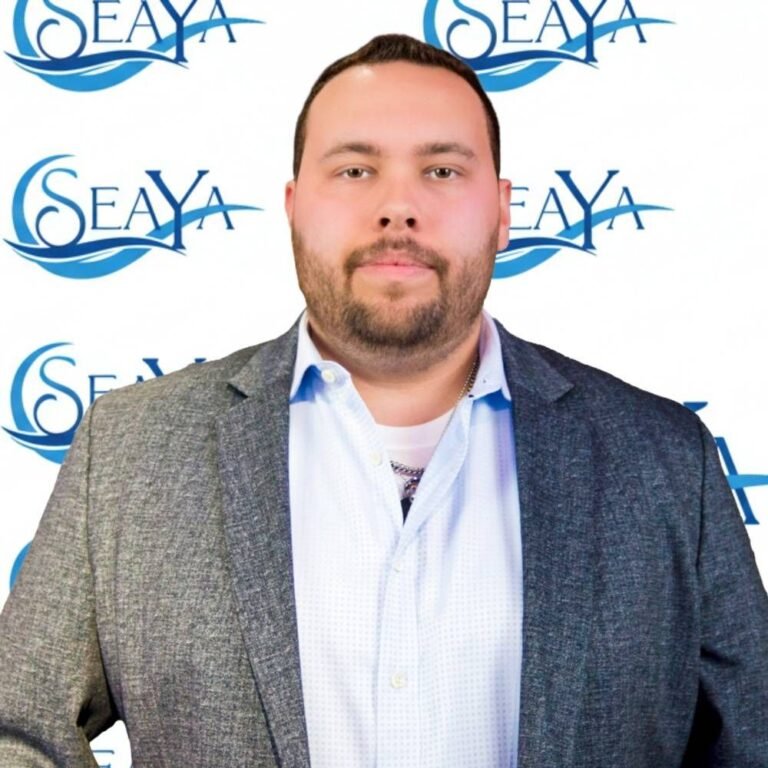
Christian Rios turns job-search frustration into useful tools
Christian Rios is the founder of Unfortunately Co., which makes humorous job-search gifts and free tools, and also started Seaya, a social app for cruise passengers. This conversation covers earning attention through useful resources, self-funding, a fundraising mistake and keeping a small operation lean.
Useful tools and practical information can earn attention before a business earns sales. Rios also advises keeping fixed costs low and starting fundraising early if outside money will be needed.
What’s the short story of how your business started, and what makes it genuinely different from the other options your customers have?
I spent more than a decade in enterprise technology program management at companies like Elevance Health, Humana and Jazwares. A few years ago I watched my daughters make friends on a cruise and lose touch the moment the ship docked, so I started Seaya, a social app that helps cruise passengers connect before, during and after their sailing. My wife and I sold our house in Florida to fund it ourselves, and it launched on iOS and Android this year. When my corporate contract ended, I went through the same brutal job market so many people are in right now, and I started Unfortunately Co. to make that experience something you can laugh at: gifts about rejection emails and ghosting recruiters, plus free tools like a rejection letter generator and a Ghost Job Checker. What makes it different is that it is built by someone living the problem, and the free tools are genuinely useful even if you never buy anything.
How did you win your first customers, and where does most of your new business come from today?
We are still early, so the honest answer is that we earn attention before we earn sales. For Unfortunately Co., our first visitors came from the free tools and from more than 40 practical guides, like how to reply to a rejection email, that people find through search. We spend nothing on ads. For Seaya, we go where cruisers already gather, the online groups people join for each sailing, and help them meet before they board. In both businesses, being useful first is the whole strategy.
What’s one decision that changed the direction of your business, and one mistake that taught you the most?
The decision that changed everything was selling our house to fund Seaya ourselves. It gave us full control and forced us to be disciplined about every dollar. The mistake that taught me the most was waiting to fundraise. We did not start talking to investors until a month or two after launch, when we felt ready to grow. If I did it again, I would raise money from day one while building the product.
What has changed in your industry or in what your customers expect over the last couple of years, and how have you adapted?
Hiring has become automated on the employer side, with applicant tracking systems, AI interviews and job postings that never get filled, and job seekers are exhausted by it. People want honesty and a laugh, not another motivational quote, so we built tools that call out ghost jobs and translate corporate jargon. On the business side, the biggest change is how people find things: more and more answers come from AI search, not just a list of links. We adapted by running Unfortunately Co. as a one person company where AI agents handle daily SEO, content and press research, and I review every claim before anything goes out.
If you were advising someone starting out in your industry today, what would you tell them to do first, and what would you tell them to ignore?
Do first: pick a narrow niche, keep fixed costs close to zero so you survive long enough to learn, and start fundraising on day one if you will ever need outside money. Ignore the pressure to look big. You do not need a large team, a big ad budget or a perfect launch. You need something genuinely useful, a clear audience and the patience to keep showing up. And keep your sense of humor, because it is a survival skill for founders and job seekers alike.
Thank you to Christian Rios and the team at Unfortunately Co. for sharing what actually worked with Leaders Perception readers.
Want to tell the story behind your business?
Leaders Perception publishes interviews with business owners and leaders every week. Five questions, about ten minutes, no calls. It is free and every completed interview gets published.