
In 2014, Whitney Wolfe Herd founded a new platform in Austin, Texas. She wanted to fix major issues within the online dating world. This bold move changed how millions of people use a mobile app to connect safely.
The bumble business model explained a fresh way for people to interact. By letting women speak first, the company grew to 75 million users across 150 countries. This unique approach created a secure space for every dating user to explore meaningful connections.
The dating startup reached a massive $13 billion valuation during its historic IPO. This financial milestone made its founder the youngest self-made female billionaire. Today, the brand serves those looking for romance, friendship, and career growth alike.
Key Takeaways
- Empowerment: Women control the conversation to ensure a safer environment.
- Global Scale: The platform serves over 75 million users in 150 different countries.
- Versatility: The system supports romantic matches, new friendships, and professional networking.
- Market Value: A successful 2021 IPO valued the firm at $13 billion.
- Leadership: Whitney Wolfe Herd became the youngest woman to take a company public.
- Safety First: The strategy focuses on reducing harassment and promoting mutual respect.
The Dating App Revolution That Empowered Women
Bumble launched a revolution in the tech industry by redesigning how heterosexual couples match and communicate. In the traditional world of online dating, men usually made the first move. This often left many women facing a constant flood of unwanted or aggressive messages.
By requiring women to message first within 24 hours, the app effectively flipped the script on outdated social norms. This shift fundamentally changed the experience for users by reducing harassment and creating a safer digital space. It gave power back to those who previously felt unheard or overwhelmed in the matching process.
Many people previously felt discouraged by the toxic behavior found on other platforms. Bumble also uses advanced technology to detect lewd images automatically. This commitment to safety ensures the dating environment remains secure and respectful for everyone. This new approach to dating forced competitors to reconsider their own safety measures.
“Bumble was built on the idea that the world works better when women are in control of their own experience.”
- Female Empowerment: Women control the start of every chat.
- Time Sensitivity: Matches expire if no move is made within 24 hours.
- Safety First: Advanced AI filters out inappropriate content.
| Feature | Bumble Impact | Traditional Apps |
|---|---|---|
| Message Control | Women move first | Anyone can message |
| Time Limits | 24-hour window | Often unlimited |
| Safety Tech | Lewd image detection | Manual reporting only |
Bumble proves that a business can thrive by prioritizing respect and safety over sheer volume. The platform’s design challenges ingrained cultural expectations. It moves the digital landscape toward gender equality and more meaningful connections.
Whitney Wolfe Herd: The Visionary Behind Bumble
Whitney Wolfe Herd transformed a personal crisis into a global movement, but her business instincts started much earlier. Her rise to becoming a tech titan shows how personal values can drive massive commercial success. She built a brand that prioritizes safety and respect above all else.
From Tote Bags to Tech Startups
Her path began at Southern Methodist University. After the 2010 BP oil spill, she launched the Help Us Project to sell bamboo tote bags for charity. This early business venture gained national fame when celebrities like Nicole Richie supported the cause.
Wolfe Herd later joined the startup incubator Hatch Labs in 2012. She quickly rose through the ranks and became the VP of Marketing for a new dating app called Tinder at only 22 years old. She reportedly came up with the app’s final name during her tenure there.
The Tinder Chapter and Toxic Departure
While at Tinder, she helped the platform achieve explosive growth. However, her professional experience turned sour after a personal relationship with a co-founder ended. She faced a toxic environment and eventually left the company in April 2014.
She sued for sexual harassment and won a settlement of $1 million plus stocks. This was a difficult time for her, as she faced intense online harassment. However, this painful chapter inspired her to create a platform where women held the power.
Partnership with Badoo and Bumble’s Launch
Andrey Andreev, the founder of Badoo, reached out to her with a new business proposal. She initially wanted to create a female-only social network called Merci that focused on kindness. Andreev encouraged her to revisit the dating world to solve the problems she saw firsthand.
| Year | Milestone | Business Impact |
|---|---|---|
| 2010 | Help Us Project | Socially conscious marketing success |
| 2012 | Tinder VP | Brand naming and growth strategy |
| 2014 | Bumble Launch | Disrupted the dating app industry |
With his $10 million investment, whitney wolfe turned her idea into reality. Andreev took a 79% ownership stake while she retained 20% and full autonomy as the CEO. This partnership allowed her to launch Bumble and change online dating forever.
Today, the industry recognizes whitney wolfe as a pioneer for women in technology. She proved that resilience and a clear mission are the best foundations for a billion-dollar brand. Her story remains a powerful example of turning adversity into a global success.
How Bumble Works: The Core Dating Platform
Bumble works through a simple process that values real action over just collecting profiles. The platform creates a space where every interaction feels intentional and safe.
This design encourages users to focus on quality connections rather than just numbers. It moves away from the endless scrolling found on other sites.
Swiping, Matching, and the User Experience
The experience starts with a familiar swipe-based interface that feels very natural. You browse through profiles in your local area based on your personal preferences.
If two people swipe right on each other, a match occurs instantly. The app uses a smart algorithm to show you the most relevant people first.
This makes the discovery phase fast and very easy to navigate. Everyone can see photos and brief bios to help them make a quick choice.
The Game-Changing 24-Hour Rule
The most unique feature of this system is the ticking clock. Once matches occur, women must send the first message within 24 hours.
If she does not reach out, the connection disappears from the list forever. The recipient then has another day to respond or the link expires.
This sense of urgency has led to over 3 billion messages sent by users globally. It stops people from waiting around for someone else to start the talk.
You also have the ability to extend one connection daily if you want to show extra interest. Tools like SuperSwipe and Spotlight help your profile stand out even more.
| Feature Name | Main Function | User Benefit |
|---|---|---|
| 24-Hour Timer | Sets a limit for the first move | Encourages active chatting |
| SuperSwipe | Shows a user special interest | Grabs attention quickly |
| Spotlight | Boosts profile to the top | Increases total views |
| Daily Extend | Adds time to a match | Prevents lost connections |
The Women-First Philosophy: Rewriting Dating Rules
By restructuring the traditional rules of engagement, Bumble created a platform where women lead the conversation. In heterosexual matches, the woman must send the first message within a strict 24-hour window. This specific rule empowers women and drastically reduces the unwanted attention found on other dating sites.
Men cannot initiate contact, which shifts the power balance immediately. By putting the choice in the hands of one person, the app creates a more controlled environment. This requirement challenges antiquated dating norms that have existed for generations.
It ensures that the conversation only starts when the woman feels comfortable. This simple design choice helps cut down on the abuse that often plagues digital spaces. The platform’s goal is to foster a community built on respect and mutual consent.
Every time someone chooses to make first move, Bumble supports global change. Through a partnership with Vital Voices, the company donates to female-focused nonprofits for these specific interactions. This demonstrates how their philosophy extends beyond the app and into corporate philanthropy.
It reinforces a commitment to equality in all areas of life. By restructuring these dynamics, the company aims to improve the experience for everyone involved. This is the heart of the Bumble mission.
Eliminating Harassment Through Design
Bumble uses proactive tools to stop harassment before it starts. Its Private Detector AI identifies potentially lewd photos automatically. Users receive a warning and choose whether to view the image or block the sender.
This design gives people “veto power” over their inbox. Unlike other apps that react after a report, Bumble builds safety into the structure. This creates a more secure space for everyone involved.
“Bumble’s mission is to create a community where everyone feels safe, respected, and empowered to make the first move.”
This design-based approach represents a major step forward in platform safety. It moves away from reactive moderation and toward prevention. Users can enjoy their experience without the constant fear of inappropriate content.
Challenging Archaic Gender Norms
For years, society expected men to initiate every romantic pursuit. Bumble challenges these old habits by requiring a first move from the female side. This shift normalizes female initiative and removes the pressure of crafting “perfect” openers.
It creates a balanced dynamic where interest is confirmed before the talk begins. When women make first move, it proves they are active participants in their own lives. This cultural shift creates a healthier environment for modern dating.
This requirement for a first move also helps guys by reducing the sting of unreturned messages. Both parties enter the conversation knowing there is genuine interest. It is a bold move toward true social equality in the digital age.
| Feature | Primary Function | Philosophical Goal |
|---|---|---|
| Mandatory Message | Women initiate contact | Restructure gender power |
| AI Detector | Blocks lewd content | Eliminate online harassment |
| Global Giving | Vital Voices donations | Support female empowerment |
Bumble Business Model Explained
To see how the company wins, we must look at the bumble business model. This framework allows the app to grow fast while still making a profit. It uses a mix of free access and paid perks to keep everyone happy.
The business model relies on a large community to function well. This social model ensures that there are always enough people for matches to occur. By removing the cost to join, the app expands its reach across the globe.
The Freemium Strategy Foundation
The core of this growth is the freemium strategy. This means the app is free to download for all new users. You can create a profile and swipe through matches without paying any fees.
This approach lowers the barrier to entry for everyone. It builds a huge network where more people mean better matching chances. People can verify the value of the app before they decide to spend money.
Balancing Free Access with Premium Value
Bumble keeps the free experience useful while selling special features. By February 2021, the app had 2.8 million paying users worldwide. These customers spent an average of $19.99 on the platform.
This bumble business model does not depend on selling your data to advertisers. In fact, only 3% of the total revenue in 2019 came from ads. This choice keeps the interface clean and professional for the community.
“We are building a brand that stands for kindness and respect in every interaction.”
The strategy focuses on selling convenience and more control. Users pay for better visibility or to see who already likes them. This creates a sustainable bumble business model that puts the community first.
| Feature Category | Access Level | User Benefit |
|---|---|---|
| Basic Swiping | Free | Finding daily matches |
| Messaging | Free | Connecting with matches |
| Bumble Boost | Premium | Unlimited filters and rematches |
| SuperSwipe | Premium | Showing clear interest to others |
Revenue Streams: How Bumble Generates Income
Bumble has turned social connection into a financial powerhouse through diversified income channels. The company saw its revenue jump from $10 million in 2016 to $100 million in 2017. By 2020, that revenue hit $337 million.
This steady growth shows how effectively the platform turns a free user base into paying customers. This diversified revenue model ensures long-term stability for the brand. It allows the app to thrive while keeping core functions free for everyone.
Bumble Boost Subscription Tiers
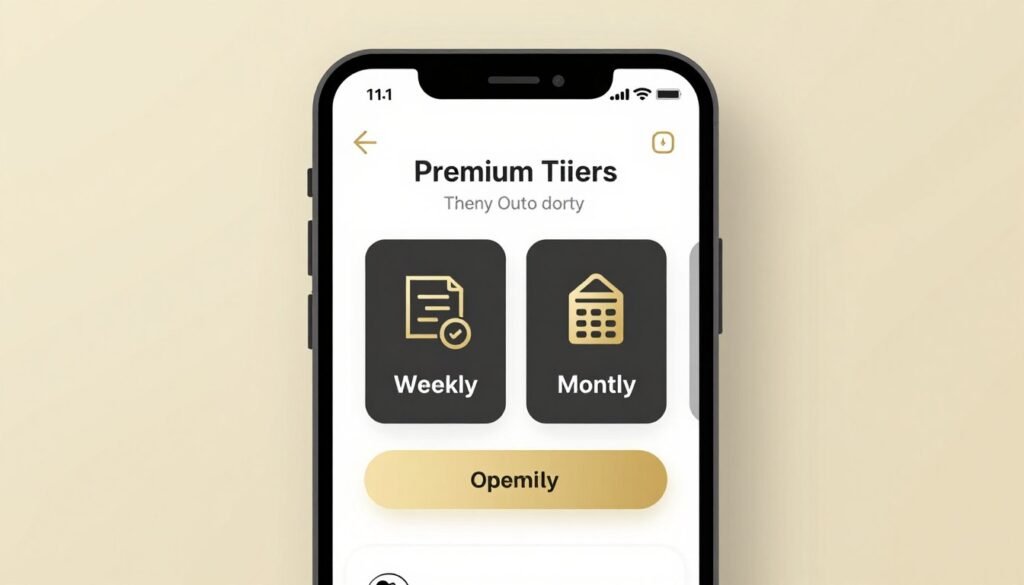
These subscriptions offer various options, including weekly, monthly, three-month, and six-month plans. A monthly plan can cost up to $25 depending on the selected duration. These subscriptions give people a major edge in the competitive dating pool.
They unlock tools like Beeline, which lets you see who liked your profile first. You even get unlimited 24-hour extensions for your daily swipes through these subscriptions. One more advantage of these memberships is the ability to rematch with expired connections immediately.
These subscriptions create a predictable stream of income for the company. This helps the platform invest in new safety tools and global expansion. Most users appreciate having a clear choice between free and paid experiences.
Bumble Coins for Premium Features
Revenue also comes from Bumble Coins, which serve as an in-app currency. A user can buy these coins to unlock a specific feature without a full monthly commitment. This microtransaction model is perfect for those who want extra perks occasionally.
It appeals to people who prefer one-time purchases over a recurring bill. This flexible system adds a strong layer to the company’s total revenue. It ensures that even casual users can contribute to the platform’s financial health.
Spotlight and SuperSwipe Monetization
These paid features help people stand out in a crowded digital market. Spotlight puts your profile at the top of the swipe stack for more views instantly. SuperSwipe lets you show extra interest in potential matches by sending a clear signal.
These features generate significant revenue by solving the common problem of visibility. Paying for more swipes gives people a clear competitive advantage to find love faster. This tiered approach turns basic interactions into a strong, multi-million dollar business.
Expanding Beyond Dating: BFF and Bizz
Beyond the world of romance, Bumble has redefined how we find community and professional opportunities in a digital age. Whitney Wolfe Herd envisioned a platform where women could lead in every type of interaction. This strategy transformed the app into a comprehensive brand for all connections.
Users can now navigate three distinct modes: Date, BFF, and Bizz. You can use all three at once with a separate profile for each one. Switching between these modes is simple using the mode-switching menu inside the interface.
| Mode Name | Launch Year | Primary Purpose |
|---|---|---|
| Date | 2014 | Romantic matches |
| BFF | 2016 | Platonic bonds |
| Bizz | 2017 | Career networking |
Bumble BFF: Building Friendships
Bumble BFF launched in 2016 to help people find platonic friends in their local area. This mode addresses the difficulty of forming bonds after moving or experiencing major life changes. It simplifies the process of meeting new people who share your interests or hobbies.
Unlike the dating mode, there are no rules about who approaches who first. Either person can send the first message to start a conversation. This flexibility makes finding friends feel natural and low-pressure. Many users find that these friends provide vital support systems in busy urban environments.
Bumble Bizz: Professional Networking Platform
In 2017, the app expanded again with Bumble Bizz to target the business world. This mode allows users to find mentors, interns, or new career opportunities through a familiar swipe interface. It offers a more casual and approachable alternative to traditional professional platforms.
You can maintain a business profile that stays completely separate from your search for friends. This ensures your professional life remains organized and distinct within the same ecosystem. Strong networking has never been more accessible for entrepreneurs and freelancers alike.
By offering these diverse modes, Bumble has become a one-stop shop for relationship building. Whether you are seeking a partner or a promotion, the tool facilitates growth. It proves that digital tools can foster genuine human empathy across all sectors of life.
Bumble’s Meteoric Growth and Market Impact
Quantifying the success of Bumble reveals a trajectory of explosive expansion and financial dominance. This sustained growth demonstrates how the platform evolved from a niche startup into a primary market force. By focusing on a specific demographic, the company proved that a values-driven user base could scale globally.
User Base Expansion: 75 Million Users Worldwide
The platform gained 1 million users in its first year alone. By 2016, the user base climbed to 8 million, followed by an additional 4 million the next year. Over the next four years, the app added roughly 10 million new users annually, reaching 58 million by 2020. This base reached a milestone of 75 million people across 150 different countries.
Data shows an interesting gender dynamic within this active base. Currently, the demographics sit at 67.4% males and 32.6% females. This ratio can increase competition among male user profiles. According to Sensor Tower, Bumble captured 9% more market share, reaching a total of 19% to become the second-largest dating app globally.
| Metric | 2016 Results | 2020 Results | 2021 Active Status |
|---|---|---|---|
| Total Registered Users | 8 Million | 58 Million | 75+ Million |
| Annual Revenue | $10 Million | $337 Million | Significant Growth |
| Monthly Active Users | N/A | N/A | 42 Million |
Revenue Growth from $10M to $337M
Bumble’s financial success mirrors its rapid growth in popularity. In 2016, revenue sat at a modest $10 million. Just one year later, that figure jumped tenfold to reach $100 million. By 2020, the company reported a massive $337 million in revenue. This shows the efficiency of the user base monetization strategy.
“When you can create a safe environment for women, you create a better environment for everyone, which drives long-term value.”
This success validates the freemium model on a massive scale. It proves that a larger user count does not dilute the profit per person. Instead, it creates network effects that improve the whole model. As the platform expands, more people find value in paying for premium features to stand out in a crowded digital space.
The Values-Driven Approach to Success
The rise of Bumble shows that a values-driven business can dominate the modern market. This company prioritizes human connection over simple algorithms. By focusing on safety, they have built immense trust with their community of users.
Accountability, Equality, and Kindness as Core Values
Bumble aims to end misogyny by rewriting archaic gender roles. They focus on empowering women and the LGBTQI+ community. The team builds trust by holding users accountable for their actions online.
In one famous case, they published “An Open Letter To Connor” to call out harassment. Wolfe Herd also worked with partners in the Texas legislature to criminalize unsolicited nudes. They use technology to create a kinder digital world for everyone.

The brand also voiced support for social justice movements in 2020. This consistent stance builds trust and loyalty among its members. Users value a safe experience that protects their personal well-being.
Establishing long-term trust remains their primary goal. This dedication differentiates them from competitors who focus purely on growth metrics.
The Historic IPO and Billionaire Milestone
The company’s growth led to a historic IPO in February 2021. Investors showed huge confidence in this unique business model. It proves investors are ready for female-led tech giants.
| IPO Milestone | Financial Detail | Impact |
|---|---|---|
| Opening Price | $43.00 per share | Strong market entry |
| Peak Price | $84.60 per share | High investor demand |
| Total Valuation | $13 Billion | Market validation |
Whitney Wolfe Herd became the youngest self-made female billionaire at age 31. She achieved this by working with global partners to scale the brand. Her success proves that putting women first is a winning strategy.
She is the youngest woman to ever take a major firm public. This achievement serves as a milestone for entrepreneurs everywhere. It shows that ethical practices can lead to massive financial success.
Conclusion
The bumble business journey proves that social values can lead to massive commercial success. By focusing on women, this platform changed the dating app industry forever. It addressed safety while building a sustainable model through freemium features.
This dating environment gives users the ability to find safe connections across the world. The bumble business ensures that technology helps people match over time. While women make the first move, men also benefit from more intentional interactions.
Bumble stands out among other platforms by prioritizing kindness and accountability. It is a masterclass in using a bumble business strategy to empower others. Today, this unique model remains a leader in creating meaningful dating connections through its mobile app.