
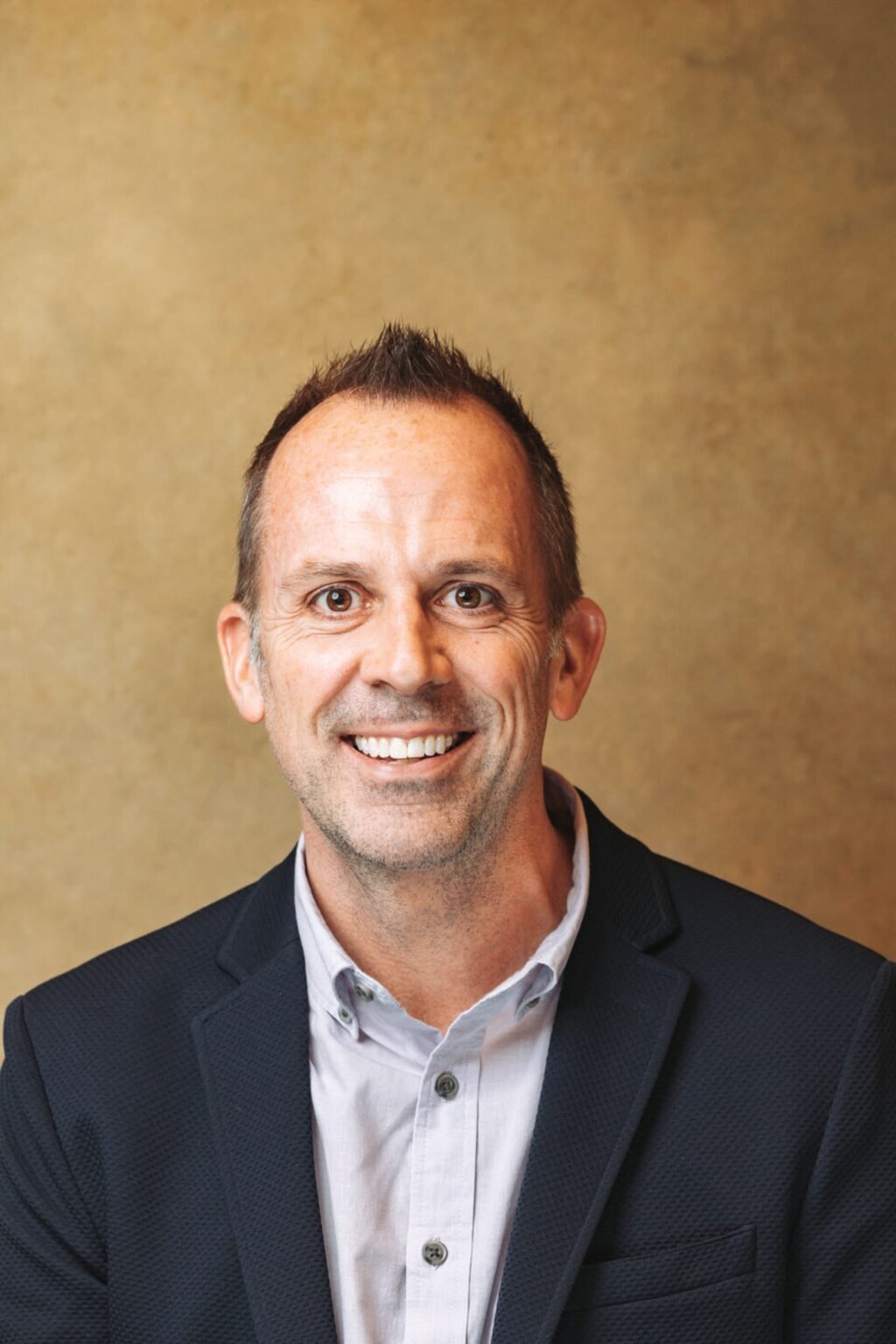
Bryan Lively on scaling Fusion Academy without losing one-to-one learning
Bryan Lively is CEO of Fusion Academy, a private school offering mostly one-to-one classes from upper elementary through high school. He explains how referrals bring families in, how the school expanded from one campus, and why its systems are meant to support personal relationships rather than replace them.
To grow a relationship-led service, standardize the support around delivery while leaving room to personalize the experience. Start by understanding what works for individual customers before building systems to reproduce it.
What’s the short story of how your business started, and what makes it genuinely different from the other options your customers have?
Fusion was built on a simple belief: when a student has a teacher’s full attention, learning changes. That belief opened our first campus in Solana Beach, California, back in 1989, and it’s still at the heart of everything we do.
Most of our classes are 1-to-1. One student. One teacher. The teacher sets the pace, adjusts in the moment, and gets to really know the student. That relationship is what makes a kid want to come back the next day. And school is still social. Students do homework, hang out and connect in our Homework Café, so friendships are part of every day.
What makes us genuinely different is that we personalize the whole experience, not just the classroom. A student’s schedule can flex around a training calendar, a film shoot or simply a later start time. Today we have more than 80 campuses across the U.S., plus Fusion Global Academy, our online school serving students in 35+ countries. We’ve grown a lot. The belief hasn’t changed.
How did you win your first customers, and where does most of your new business come from today?
The same way most great small businesses do: someone they trusted told them about us. A parent saw their child light up and told a friend. A counselor or therapist noticed the change and started sending families our way. Honestly, that’s still the heart of how we grow.
Today, most of our new families come to us through two kinds of referrals. The first is our own families. Our parent Net Promoter Score is 75, and I don’t take that lightly. When one parent recommends a school to another, they’re putting their name behind it. The second is the professional community: educational consultants, psychologists, therapists and school counselors who know students well and recommend Fusion when they see a fit.
Digital matters too. Families do a lot of homework before they ever pick up the phone, so we try to be genuinely helpful through our content, our Learning Differently podcast and our campus events. But for a decision this personal, nothing beats a recommendation from someone who knows your child. We earn those one student at a time.
What’s one decision that changed the direction of your business, and one mistake that taught you the most?
The big one came in 2010, when Fusion decided to take a single-campus school and open a second campus in Los Angeles. That’s when we learned the model could grow, as long as we protected what makes it work: hiring great people, keeping the classroom 1-to-1 and giving each Head of School real ownership of their campus community. That decision is how one campus became more than 80.
The mistake that taught me the most was my own. I came to Fusion after years of scaling consumer and retail brands, and my instinct was to standardize everything I could. Some of that helped. But visiting every one of our campuses humbled me pretty quickly. What families value most, the relationship between a student and their teacher, sometimes needs a little personalization that isn’t in the playbook. So now I think about it this way: we standardize the support so our campuses can personalize the experience. Our systems should give teachers more time with students. Never less.
What has changed in your industry or in what your customers expect over the last couple of years, and how have you adapted?
Families expect personalization everywhere now. They get it from their phones, their healthcare and their entertainment. So more parents are asking a fair question: why should school be the one place where everyone moves at the same pace? That shift has been good for us. It’s also raised the bar, and I’m glad it has.
Three things stand out to me:
1. Flexibility is now expected. After 2020, families got used to choosing how and when learning happens. We offer in-person, virtual and hybrid options, rolling enrollment and schedules built around a student’s life.
2. Wellbeing comes first. Before parents ask about curriculum, they want to know their child will feel safe and known. Our philosophy has always been Love, Motivate, Teach, in that order. More families are looking for exactly that.
3. Parents want to stay in the loop. They don’t want to wait for a report card to find out how things are going, so our teachers send families daily updates.
We’ve also grown beyond our campuses. Fusion Global Academy serves students in 35+ countries, including athletes, performers and families who move around the world and need a school that travels with them. Through all of it, the core stays the same: one student, one teacher and a relationship built on trust.
If you were advising someone starting out in your industry today, what would you tell them to do first, and what would you tell them to ignore?
Start small and do it by hand. Before you think about scale, get close to a handful of students and families until you truly understand what changes their experience. Fusion began that way. Every system we’ve built since has been about delivering that same experience, consistently, for thousands of students. If you can’t describe what great looks like for one student, you can’t build an organization that delivers it for many.
Then hire for heart. A teacher who knows their subject and genuinely cares about the student in front of them will outperform any technology you put around them. As a leader, your job is to serve those people so they can serve students.
What should you ignore? The pressure to chase every shiny new thing. Education attracts a lot of noise, and there will always be a new app or platform promising to transform learning overnight. Some are useful, and we use plenty of them. But families don’t choose a school for its software. They choose it because their child walks out more confident than they walked in. Keep your eyes on that, and every other decision gets a lot easier.
Thank you to Bryan Lively and the team at Fusion Academy for sharing what actually worked with Leaders Perception readers.
Want to tell the story behind your business?
Leaders Perception publishes interviews with business owners and leaders every week. Five questions, about ten minutes, no calls. It is free and every completed interview gets published.