
The AI Reality Check
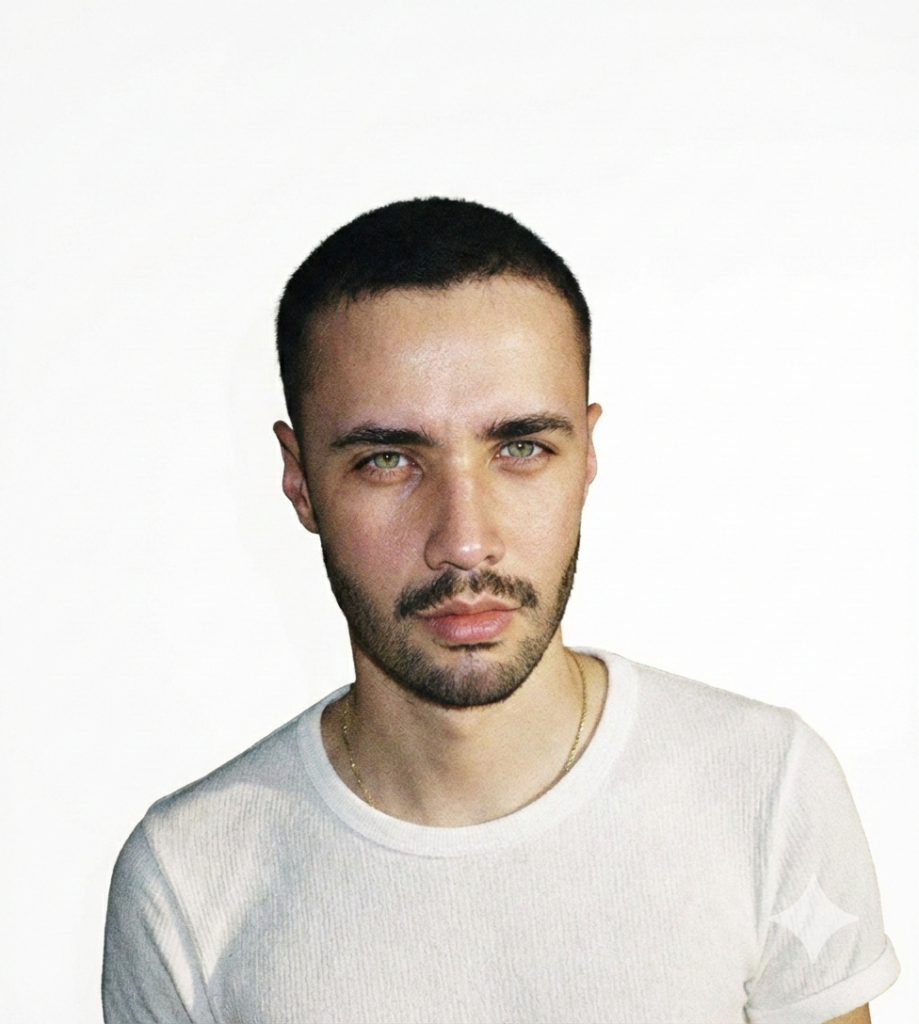
Allan Gregorio moves 30 jobs over to AI, but keeps the frame human
Allan Gregorio runs an independent studio that started in 2019 with AR effects and now mixes art and technology across AR, AI, CGI and digital fashion. His clients have included Nike, HBO Max, TikTok, Elton John and Doja Cat, but the part worth noting is how he uses AI for research and admin while keeping the final creative work in human hands.
He has shifted the boring layer of the business – research, drafts, outreach and scheduling – to AI, while rejecting model output for animation when it falls short of what can actually be shipped. The useful rule is simple: let AI work before the work, but keep taste, framing and final execution human.
What’s the quick origin story of your brand, and what makes your product or positioning genuinely different from other options in your niche?
I started the studio in August 2019, on my own, making AR effects for TikTok, Youtube and Snapchat. It grew into a two-person practice mixing art and technology in whatever shape they take: AR, AI, CGI, digital fashion. Work for Nike, HBO Max, TikTok, Elton John and Doja Cat came from that. The difference is that I am the artist and the technical lead at the same time. Clients are usually choosing between an agency, where the person selling is not the person making, or a specialist locked to one tool. I pick whatever tool gets the result and stay hands on from first sketch to final file. The proof is use, not claims: effects I made have been used billions of times.
Where does most of your new business come from today, and where do you wish it came from?
Most of it comes from the work itself. The effects circulate on TikTok and Snapchat, people try them, and a brand or agency reaches out. That inbound carried the studio for years. In the last six months I added an automated outreach pipeline: it researches a company, finds a real reason we fit, drafts the email and renders the deck. I review and send every one. It is opening conversations inbound never reached. Where I wish it came from: more direct commissions from brands and cultural institutions that want art first, not just a filter. That is the work I want the studio known for.
What’s one thing you’ve actually handed over to AI in the last year, and one thing you tried it on and went back to doing the human way?
Handed over: research and first drafts. Weekly research sweeps, daily content concepts, first versions of outreach emails and decks. That layer used to eat my mornings, and now it runs before I sit down. Went back: animation. I kept testing video models for character animation and the results kept landing at almost. Almost the right movement, almost the character. Almost is not something I can ship to a client, so I went back to animating in Blender and use AI for concept and texture passes instead. The rule I landed on after six months of this: AI gets the work before the work. The frame that ships stays human, because taste is the one job I never hand over.
Have you noticed a change in how customers find you or what they already know before they reach out? Is anyone arriving through AI assistants like ChatGPT yet?
People arrive better briefed than they did three years ago. They have usually tried an effect, seen the numbers on my site, and come with a specific idea instead of asking what I do. Through AI assistants specifically: not yet, or at least nobody has told me a chatbot sent them. I assume it is coming, so I keep my site plain and factual, real numbers, real case studies, dated sources on every post. If a model is going to answer questions about my field, I want it quoting pages that are actually true.
If you were advising someone in your industry on all of this for the next 12 months, what would you tell them to actually do, and what would you tell them to ignore?
Do: automate the boring layer first. Research, drafts, scheduling, the admin around the work. That is where the time really goes, and it is where AI is already reliable. I moved about 30 jobs over in six months and none of them touch the final creative. Test tools on your real work, not on demos. Most of what I try does not land, and the misses are how I learn what a tool can actually do. Ignore the pressure to rebuild your craft around every new model. The tool of the month changes, the reasons something looks good do not. And ignore anyone selling certainty about the next five years. Nobody knows. Work with what is real this month.
Thank you to Allan Gregorio and the team at Allan Gregorio (independent studio) for sharing what actually worked with Leaders Perception readers.
Want to share your playbook?
Leaders Perception publishes founder and operator interviews every week. A few questions, about five minutes, no calls. It is free and everyone we accept gets published.