
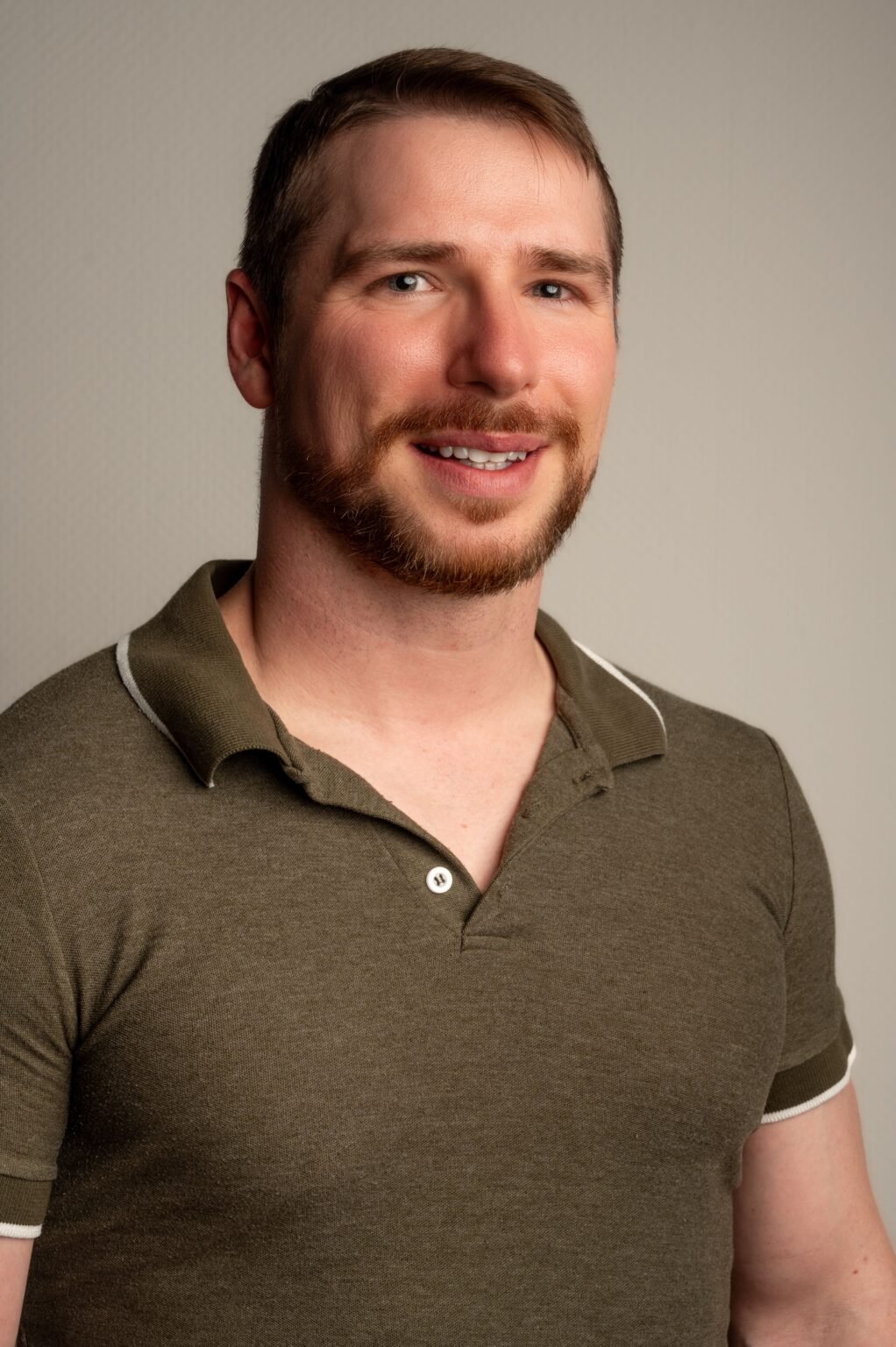
Why Jim Fricker II wants learners to speak before they feel ready
Jim Fricker II is co-founder of Spanish and Go, which helps adults learn Spanish through a podcast, live online conversation clubs and small-group immersion retreats in Mexico. Fricker argues that speaking with people should be part of getting ready to speak, not a reward for finishing lessons.
Learners can build fluency by using Spanish with other people before they feel fully prepared. Small, real conversations can help them understand how language works in context and give them a reason to keep learning.
What’s one opinion about your industry that most of your peers would disagree with?
I think the language-learning industry spends too much time trying to simulate conversation and not enough time helping people have one. Apps are great for getting in some practice. But if your goal is to talk to people, you shouldn’t have to wait until you feel ready. Talking to people is part of how you get ready.
What convinced you? Tell us about the moment, client or result that changed your mind.
I learned Spanish as an adult, and one of my favorite examples is órale. If someone in Mexico says, “¿Vamos por un café?” and you answer “¡Órale!”, you’re saying yes. If they tell you, “¡Me dieron el trabajo!” and you answer “¡Órale!”, you’re reacting to good news. I don’t remember looking that word up. I remember hearing it in different situations until I got a feel for it. Now students ask me how to translate it, and I usually give them two situations instead of one English word.
What’s the usual way people in your field handle this, and what do you do instead?
A lot of products try to get learners to practice by themselves more often. At Spanish and Go, we use the podcast to help learners get used to the sound of real Spanish, then give them places to use it: live conversation clubs with native Spanish speakers in Mexico and teacher-led immersion retreats. We’ve run more than 42 cohorts in six Mexican cities. One of my favorite things to see is when people keep in touch with each other long after the retreat. That’s a good reason to keep using Spanish that has nothing to do with a streak.
Where has this view cost you, or where have you had to admit you were partly wrong?
It takes more people and coordination to run a conversation club or a retreat than to put another lesson online. One thing I’ve had to rethink is how much of that experience needs to come from me or my co-founder, May. A lot of people first hear about us through the podcast, so it’s natural that they want to meet us. But if we have to be there for every group, we can only run so many retreats. We’re building the program around our teaching team so the experience can grow without losing the personal part.
What should someone in your field stop doing, and what should they start doing?
Stop making conversation the thing people get to do after they finish the lessons. Give them one small reason to use the language with someone this week. Have them tell a partner about something they cooked, or teach them to ask “¿Cómo se dice aquí?” when they hear a word they don’t know. If they can get their point across and keep the conversation going, that’s progress.
Thank you to Jim Fricker II and the team at Spanish and Go for sharing an honest view with Leaders Perception readers.
Have a view your industry needs to hear?
Leaders Perception publishes interviews with business owners and leaders who see their industry differently. Five questions, about ten minutes, no calls. It is free and every completed interview gets published.