
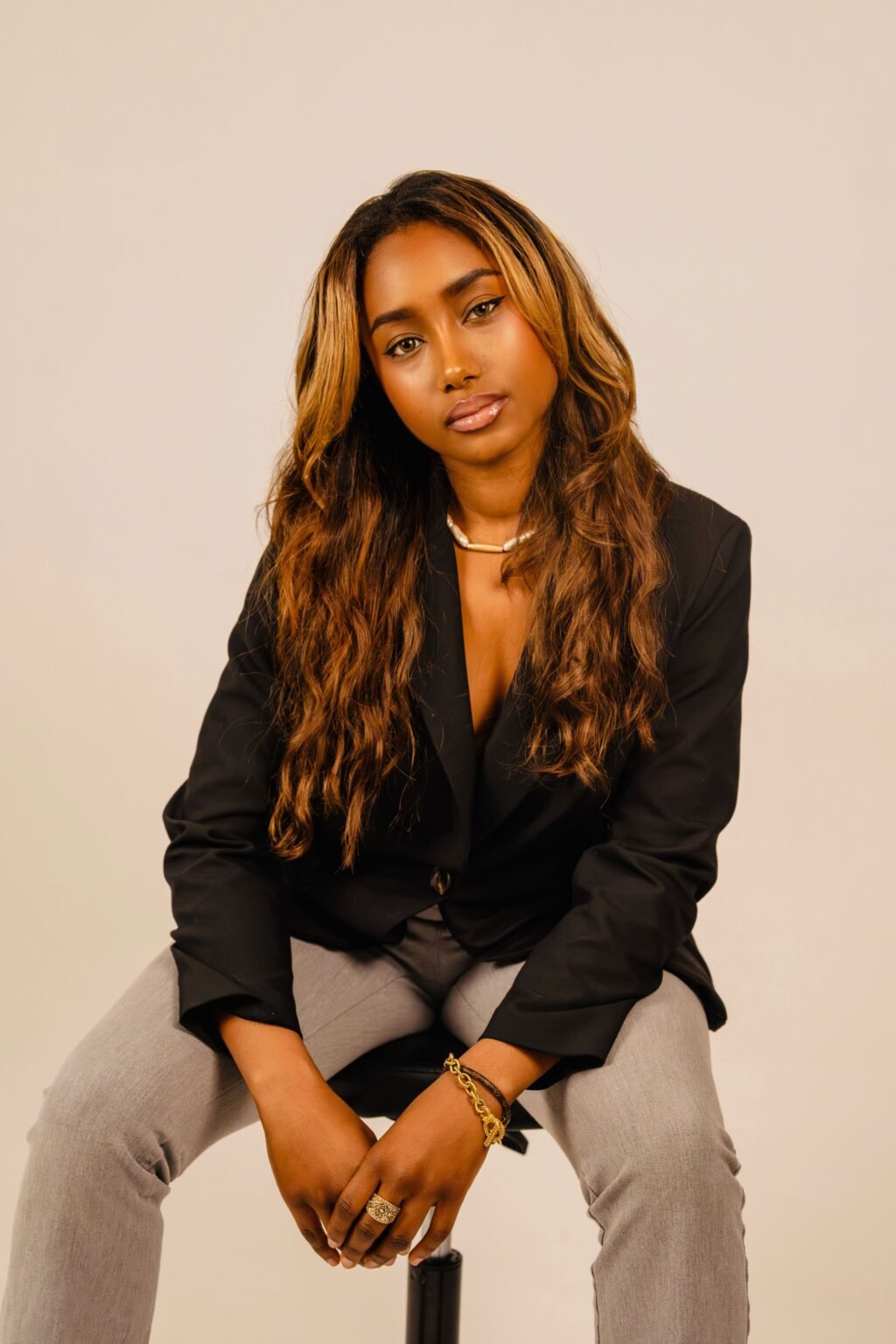
Why Aida Toure wants beauty to build connection, not insecurity
Aida Toure is the founder of TEXTURE, a bodycare brand built around Le Sérum, a serum made for underarm skin. Toure argues that beauty can address practical concerns without turning insecurity into a sales pitch, while product performance remains essential.
Beauty brands can acknowledge real concerns without making consumers feel inadequate. For Toure, that approach only earns trust when the product itself performs.
What’s one opinion about your industry that most of your peers would disagree with?
I believe the beauty industry has spent too much time teaching women how to look at their bodies and not enough time teaching them how to live in them. We’ve become incredibly sophisticated at spotting imperfections, but far less sophisticated at cultivating a relationship with our bodies. I don’t believe every physical insecurity needs to become a commercial opportunity.
I actually think the future of beauty lies less in transformation and more in connection. I want people to walk away from using a product feeling closer to their bodies, not more aware of everything they need to change about them.
What convinced you? Tell us about the moment, client or result that changed your mind.
It started with my own relationship with my underarms. I struggled with hyperpigmentation (skin darkening) and ingrown hairs, and I realized that almost every product I had ever purchased for that area was designed to conceal something, whether it was odor, sweat or discoloration.
What fascinated me was that I had an entire skincare routine dedicated to my face, yet my relationship with other parts of my body was almost exclusively corrective.
It made me question why certain parts of the body are considered worthy of nourishment, attention and pleasure, while others are approached with embarrassment.
That became the foundation of Texture. The underarm was simply the starting point for a much bigger conversation about how we relate to our bodies.
What’s the usual way people in your field handle this, and what do you do instead?
Traditionally, beauty marketing identifies an insecurity, amplifies it and then presents a product as the solution. It’s a very effective commercial model, but I don’t think it always leaves the consumer in a better place emotionally.
At Texture, we’re trying to acknowledge people’s concerns without making them feel inadequate for having them.
Even something as simple as encouraging someone to massage a serum into their underarms introduces a different relationship with that part of the body. For a few seconds, you’re touching an area you might have spent years criticizing, but you’re doing so with care.
I find that shift incredibly meaningful: the product is functional, but the experience of using it can be much more!
Where has this view cost you, or where have you had to admit you were partly wrong?
Building a brand around a philosophy rather than simply a physical concern requires more education. It would be much easier to market Texture exclusively around hyperpigmentation or the promise of brighter, smoother underarms.
I’ve also had to recognize that consumers don’t necessarily come to a beauty brand looking for a philosophical conversation. Sometimes they just want a product that works, and that’s completely legitimate.
As a founder, I’m learning that efficacy and emotional connection aren’t competing priorities. A beautiful philosophy cannot compensate for a product that doesn’t deliver.
My responsibility is to build products that earn people’s trust through their performance while offering something deeper through the brand experience.
What should someone in your field stop doing, and what should they start doing?
Great question.. I’d say to stop confusing making people feel inadequate with understanding their needs. What I mean is maybe to start asking what kind of relationship you’re encouraging consumers to have with themselves after they’ve purchased your product.
I would love to see more beauty brands create from a place of curiosity about the human body rather than dissatisfaction with it. There’s so much to explore in the way we experience touch, movement, scent, intimacy and simply being alive in a body.
I don’t think beauty needs to become less ambitious commercially to become more thoughtful. I actually think there’s an enormous commercial opportunity in making people feel more at home in themselves.
Thank you to Aida Toure and the team at TEXTURE for sharing an honest view with Leaders Perception readers.
Have a view your industry needs to hear?
Leaders Perception publishes interviews with business owners and leaders who see their industry differently. Five questions, about ten minutes, no calls. It is free and every completed interview gets published.