
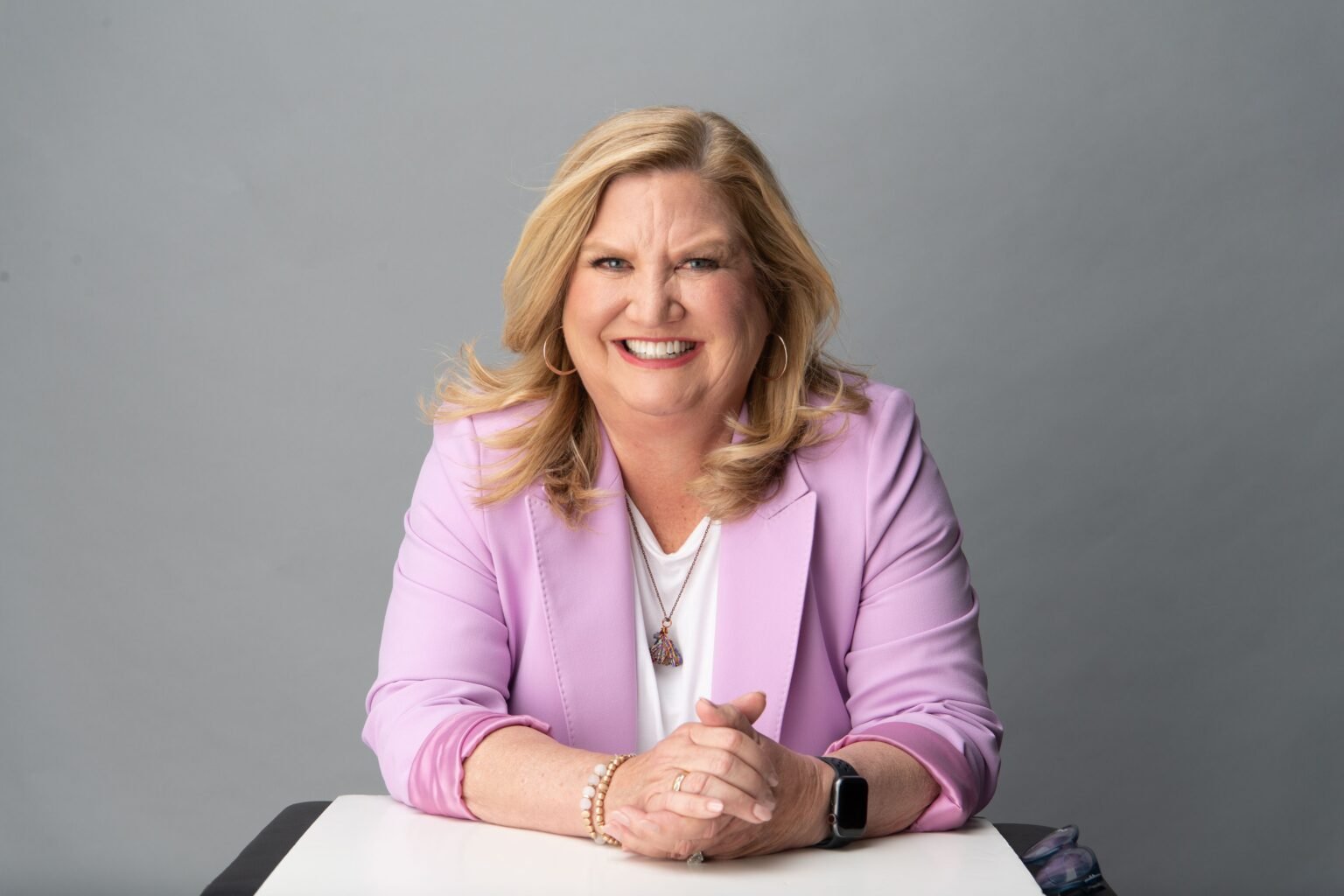
Julie Thomas on adapting sales training without losing the human element
Julie Thomas is President & CEO of ValueSelling Associates, which provides sales methodology, training and tools built around the ValueSelling Framework. This conversation traces her move from finance into sales leadership and examines the company’s shift to virtual training, its approach to AI coaching, and the value of human selling skills.
Sales training can adapt to changing buyer behavior and delivery needs without losing sight of the human skills that make sales conversations effective. AI can support that work, but referrals, confidence, respectful persistence and business conversations remain important.
How did the business start, and what makes it different from others in your space?
After earning a degree in finance, my first job out of college was in was in finance, naturally. However, I realized I didn’t enjoy it, and it wasn’t exciting or fun for me. My finance role was at a small company under the umbrella of the sales organization, entering information for contracts and that type of thing. I became friends with some of the salespeople and learned what they do. And, from the work I was doing, I saw the impressive commissions these salespeople were making.
Sales seemed like a much more exciting role to me, so I launched a campaign with my bosses’ boss to become the company’s next salesperson. He fortunately saw my potential and gave me an opportunity to become an account representative. Of course, my excitement quickly turned to panic because I realized I didn’t know how to sell! Luckily, they allowed me to attend a sales training program. One of the things I learned through that process was that it was more important to focus on them – the prospect – than to focus on me.
After that first sales role, I joined Gartner Group (now Gartner, Inc.) and worked my way up to became Vice President of Gartner’s Sales Training for the Americas. My role included successfully onboarding new sales hires and driving adoption of the ValueSelling Framework®. I truly embraced this framework and when the founder of ValueSelling Associates was ready to retire in 2003, I joined ValueSelling Associates as Chief Executive Officer and President.
What makes ValueSelling Associates different is our ValueSelling Framework methodology, which I believe is the world’s best sales methodology. We use this framework to give teams and organizations a simple, effective way to lead those conversations with confidence and credibility.
How did you win your first customers, and where does most new business come from today?
When I started as CEO of ValueSelling Associates, we already had a solid base of impressive B2B customers. However, through the years, I drove the company’s global expansion and its position as a market leader in on-demand, instructor-led, virtual instructor-led, and hybrid learning solutions. Our training is now delivered throughout the world in more than 17 languages.
Today, new business comes from many areas. We have expanded into new geographies, and the Associates in those areas are introducing the ValueSelling Framework to their local regions as well as to multinational companies. We are also proud of the fact that many of our customers expand their sales training and coaching programs with us as they grow and expand their own business.
What is one decision that changed the direction of the business, and one mistake that taught you the most?
Prior to 2020, almost all our sales training was done in person. Our ValueSelling Associates hopped on a plane to meet a group of assembled sales professionals who also traveled to get to the training location. Of course, due to the COVID-19 pandemic, all that changed. Our business model came to a standstill because no one was traveling. Plus, B2B buyers were holding off on purchases because of the pandemic.
We pulled our leadership team together and quickly pivoted, developing a virtual instructor-led sales training program that could be delivered via videoconferencing, and guided by live, expert facilitation with built-in reinforcement (this ended up winning a prestigious industry award!). What seems like common sense today was actually pretty revolutionary at the time, and it helped our business shift to a virtual model, which has served us well. We found that with a highly skilled and flexible sales force, companies can embrace change and continue to seek new ways to deliver value to customers. Today, we offer both in-person and virtual sales training, as well as hybrid models, which are all successful.
If there’s a mistake I’d have to point to, it would be spreading myself too thin and trying to take on too much. I think that balance is something a lot of CEOs struggle with, but I’m working on getting better at it.
What has changed in your industry or in what customers expect, and how have you adapted?
As in almost every business, AI is changing the way people sell, as well as the way buyers make decisions on what to buy. We recently conducted some research on how AI tools are used in outbound sales prospecting, together with research partner, Selling Power, and 77% of sellers say AI has improved their prospecting effectiveness. Some of the ways they use it include drafting prospecting emails, researching prospects, personalizing outreach, and building call-prep notes.
However, where sales teams are winning on human capabilities, including referrals, confidence, respectful persistence, and the ability to have a business conversation. When these skills are supported by AI sales coaching, that’s when behavior changes.
We’ve adapted to AI by creating an AI sales coaching avatar, we call Val, who can coach sales reps on both the deal in front them, and the skill underneath it.
If someone were starting a business like yours today, what should they do first, and what should they ignore?
Sales is one of the fastest ways that a person can earn social and financial capital, yet the perception of salespeople is often negative. I would hope that the next generation can encourage more high schools and colleges to incorporate sales into their curriculums and promote a more highly regarded reputation for the sales profession. There are no shortage of business and marketing classes and programs out there — but in the US, there are only a few sales-focused programs at the university level.
I feel that is an area where this business could evolve, so more people will be able to discover this rewarding profession and transform their professional lives in the process.
As always, I say to ignore the haters. You’ll always find someone who is negative about your ideas; don’t let them get in your head. Keep your passion and spark and you’ll be on your way to achieving results you never thought possible!
Thank you to Julie Thomas and the team at ValueSelling Associates for sharing what actually worked with Leaders Perception readers.
Want to tell the story behind your business?
Leaders Perception publishes interviews with business owners and leaders every week. Five questions, about ten minutes, no calls. It is free and every completed interview gets published.