
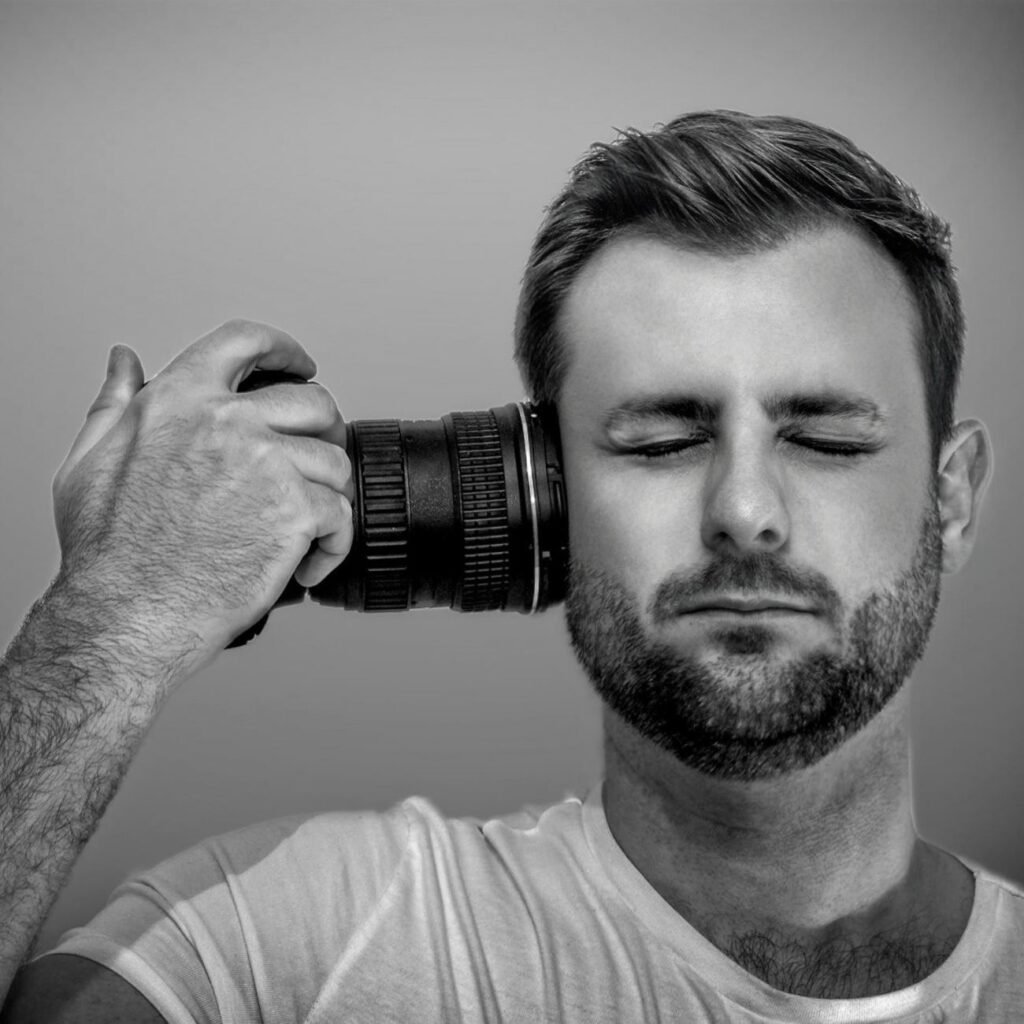
Lee Charlton on making business photography useful, not just attractive
Lee Charlton is the Owner & Photographer at Lee Charlton Photography, which provides corporate, event, headshot and travel photography for businesses, brands and tourism organisations. Drawing on nine years as Global Photography Manager at TUI, Lee discusses winning work through relationships, building a clearer website and using AI moodboards selectively to plan shoots.
Good photography is only part of running a photography business. Make the value clear, build relationships, respond promptly and price for the work around each shoot, not just the time behind the camera.
What’s the short story of how your business started, and what makes it genuinely different from the other options your customers have?
I’d been a professional photographer for years before putting serious time into building my own business, Lee Charlton Photography. My background includes nine years as Global Photography Manager at TUI, with work taking me across five continents. Some pretty incredible experiences, and considerably more time in airports than anyone needs.
After years working within larger organisations, I wanted to build something of my own and have more say over the direction of my work. These days, I photograph businesses, people, events and destinations, from local companies to larger organisations.
Working in-house taught me to think beyond whether a photograph looks nice. Where will it be used? What does it need to communicate? Will the marketing team have somewhere to put the headline, or have I helpfully filled every available inch?
I also like shoots to feel relaxed. Most people I photograph aren’t models. They’ve got an actual job to do, and having a camera pointed at them isn’t necessarily their idea of a lovely Tuesday. Helping them feel comfortable and giving them clear direction is a big part of my job.
How did you win your first customers, and where does most of your new business come from today?
My first customers came through people I already knew: former colleagues, suppliers, venues and other contacts I’d worked with. I told people what I was doing and asked for introductions.
No secret formula, unfortunately. Mostly conversations, following up and resisting the temptation to assume that one unanswered email meant everyone hated me.
Early on, I also did some free or heavily discounted shoots where there was a clear benefit, such as building a relevant portfolio or a useful relationship. I asked for testimonials, credit and recommendations. There needed to be a reason beyond someone being delighted to get free photographs.
Relationships, referrals and repeat work remain important. Alongside that, I’ve been working hard on my website (we’re talking blood, sweat and tears hard), showing relevant work and answering questions potential clients actually have.
The unglamorous stuff matters: reply promptly, explain things clearly and make booking straightforward. You can have a beautiful portfolio, but people still need to know whether you’re available and what happens next.
What’s one decision that changed the direction of your business, and one mistake that taught you the most?
Rebuilding my website myself was a big one. After receiving quotes in the thousands and looking at ongoing SEO subscriptions, I decided to have a go, with ChatGPT helping me work through ideas and the technical bits.
The new website went live on 1 July 2026. Getting there involved hours and hours of work and the occasional fairly blunt conversation with a computer.
What I gained was a much better understanding of my own business. I had to think properly about what I offered, who it was for and what someone needed to know before enquiring. I can now make changes myself and ask better questions when I need help.
The mistake was underestimating everything that comes with running a photography business. Years behind a camera don’t automatically teach you how to market yourself, manage enquiries or keep a steady flow of work coming in.
It’s very easy to spend time on the bits you enjoy and leave the business development until you’re less busy. Turns out “when things calm down” is a spectacularly unreliable date in the diary.
What has changed in your industry or in what your customers expect over the last couple of years, and how have you adapted?
Everyone’s got an iPhone in their pocket now, and a few decent holiday snaps can have you wondering whether you should start charging. To be fair, phone cameras are brilliant, and businesses can do plenty of their everyday content themselves.
That means I need to be clear about what they’re paying me for. It’s understanding the brief, handling awkward lighting, helping someone relax when they’d rather be anywhere else, and delivering a consistent set of photographs they can actually use. The camera doesn’t sort all that out for you, however many lenses they stick on the back.
AI has become a much bigger part of the conversation, too. I’ve been trying it in my own workflow and finding out where it earns its keep.
For some shoots, I’ll recce the location beforehand and take sample photographs on my phone. I then put those images and the shoot brief into ChatGPT to develop a moodboard.
I share the AI-generated images with the client so we can talk through the direction. Does it feel like their brand? Is the mood right? Have we interpreted “natural and approachable” in roughly the same way? It’s amazing how much you can hide inside three words in a brief.
Having something visual helps us spot differences and fine-tune the ideas before shoot day, when people are busy and the clock is ticking.
I don’t do it for every shoot. Sometimes a conversation and a few reference pictures do the job perfectly well. No need to invite ChatGPT to absolutely everything.
It’s become a useful tool for planning and communicating ideas. The lighting, the people, the timing and getting the actual photographs are still down to me.
If you were advising someone starting out in your industry today, what would you tell them to do first, and what would you tell them to ignore?
First, get good at the kind of photography you want people to pay you for. Build a relevant portfolio and learn to deliver consistently. One brilliant photograph is lovely, but the client will probably want a few more than that.
Then get to know people. Start with your existing contacts, tell them what you’re doing and ask for introductions. Show an interest in their business before launching into a speech about yours.
Learn what a job costs you, too. There’s preparation, travel, editing, equipment, insurance and admin around the time spent shooting. Price it as though you’d quite like to stay in business.
I’d ignore the pressure to own every new camera, post on every platform and follow every marketing trend. A new lens is a lovely purchase. It isn’t a business development plan, however convincingly you explain it to yourself.
Be easy to work with. Reply to people, turn up prepared, give clear direction and deliver what you promised. It sounds basic, but those are very good reasons for someone to book you again.
Thank you to Lee Charlton and the team at Lee Charlton Photography for sharing what actually worked with Leaders Perception readers.
Want to tell the story behind your business?
Leaders Perception publishes interviews with business owners and leaders every week. Five questions, about ten minutes, no calls. It is free and every completed interview gets published.