
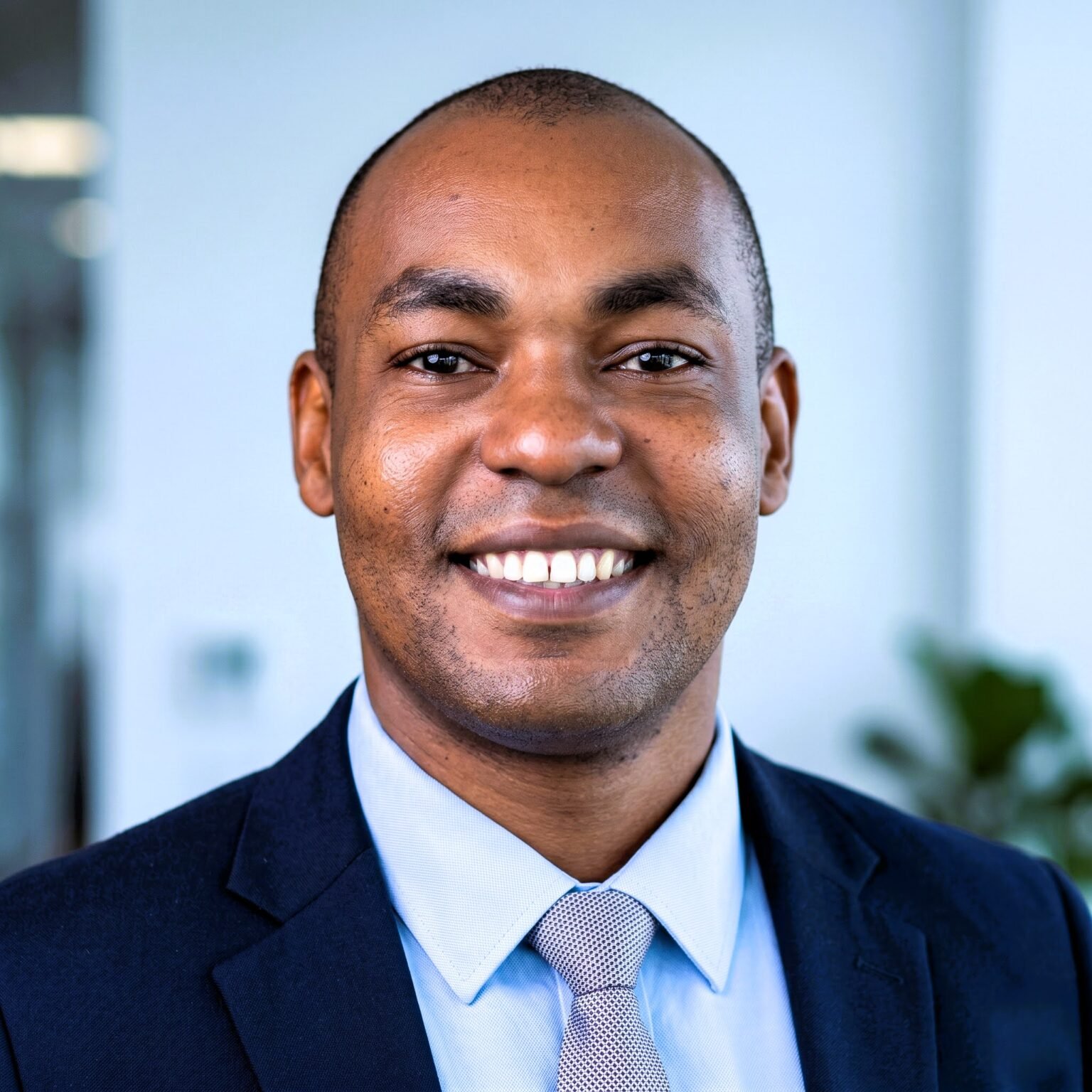
How WaneSam turns site teardowns into conversion fixes
Samwane ABDALLAH is a CRO consultant at WaneSam, which helps B2B SaaS companies improve conversion through audits and hands-on copy, page and tracking fixes. This interview explores how specific website teardowns helped win clients, why consulting replaced a software-first model, and why reliable data matters more than generic conversion advice.
Credible conversion work starts with trustworthy tracking and a clear view of where customers drop off, then makes specific fixes that can be measured. Tools and generic best practices cannot replace understanding the buyer’s real question.
What’s the short story of how your business started, and what makes it genuinely different from the other options your customers have?
I spent several years running my own e-commerce stores, RidBen Tech and MaoreDeal. That’s where I learned that traffic is rarely the real problem: most of the money leaks between the first visit and the payment. Later I taught myself to build SaaS products and launched Copyboost and Zovalide with no development background. Wanesam came from combining both sides. What makes it different is that I don’t sell audits that end up in a drawer. I start with a teardown that shows exactly where a site loses money, then I fix the pages myself: copy, structure, tracking. Clients pay for the result, not for a report.
How did you win your first customers, and where does most of your new business come from today?
My first clients came through freelance platforms like Upwork, Malt and Fiverr. What worked best was leading with proof instead of a pitch. Before contacting an agency or a SaaS founder, I review their site and send them two or three specific friction points I found on it. That turns a cold message into a useful one. Today most of my new business comes from platforms, teardown-first outreach, and content on LinkedIn and YouTube.
What’s one decision that changed the direction of your business, and one mistake that taught you the most?
The decision was to stop treating my SaaS products as the main business. I had built Copyboost to sell copy audits as software, but I realised companies didn’t want another tool. They wanted someone to fix the problem. So I moved to done-for-you consulting and kept Copyboost and Zovalide as live proof of what I can build and measure. The mistake was presenting myself as a developer for too long. My early profiles sold Next.js development, so I attracted the wrong clients at the wrong price. Rebranding around CRO changed the quality of my leads.
What has changed in your industry or in what your customers expect over the last couple of years, and how have you adapted?
AI made copy cheap. Every SaaS can now generate a landing page in minutes, so websites look and sound more and more alike. Customers have become much more skeptical of generic advice and "best practices" lists. They want to see that you understand their site, their numbers and their buyers. I adapted by making everything specific: teardowns on the client’s real pages, fixes tied to a measurable step in the funnel, and clean tracking so we can prove what changed. I use AI to speed up the work, never to replace the thinking.
If you were advising someone starting out in your industry today, what would you tell them to do first, and what would you tell them to ignore?
Start by learning to read data and tracking before you learn persuasion techniques. If GA4, the CRM and Stripe don’t agree, you can’t prove anything, and your best copy becomes an opinion. Then do public teardowns of real websites. It’s the fastest way to build skill and credibility at the same time. Ignore the endless debate about tools and the lists of conversion "hacks". Button colors don’t save a page that doesn’t answer the buyer’s real question.
Thank you to Samwane ABDALLAH and the team at WaneSam for sharing what actually worked with Leaders Perception readers.
Want to tell the story behind your business?
Leaders Perception publishes interviews with business owners and leaders every week. Five questions, about ten minutes, no calls. It is free and every completed interview gets published.