
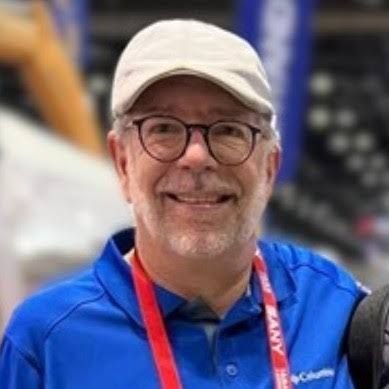
Why Tent and Tables builds event gear for real-world wear
Brett Begley is the founder of Tent and Tables, which provides commercial-grade tents, inflatables, tables and chairs for event rental operators, party planners, venues and other organizations. This conversation looks at how firsthand rental experience shaped the equipment, why the business took control of manufacturing, and how changing safety rules affect its decisions.
Build for the conditions customers actually face, and treat safety and regulatory compliance as part of the product. Competing only on price can undermine the durability and service that help a business earn repeat customers.
What’s the short story of how your business started, and what makes it genuinely different from the other options your customers have?
Tent and Table began in 2009 after its founders spent decades running a local hardware and event rental store. They started the company to build more reliable and affordable rental gear. Unlike other sellers, they field-test all products daily in Buffalo’s tough weather to ensure they are high-quality and long-lasting.
How did you win your first customers, and where does most of your new business come from today?
We actually started out in the event rental trenches ourselves. For over 25 years, we were the ones setting up, delivering, and distributing heavy equipment every single weekend. We lived the daily headaches of the rental business, which is exactly why we transitioned into manufacturing and distribution—we knew we could build a tougher, more reliable product. What genuinely sets us apart is that we design our equipment from an operator’s perspective. We don’t just sell commercial-grade bounce houses, tents, and tables; we build them to survive the brutal, real-world wear and tear that we experienced firsthand.
What’s one decision that changed the direction of your business, and one mistake that taught you the most?
The single decision that changed everything was choosing to control our own manufacturing rather than just flipping generic, third-party equipment. It allowed us to mandate strict safety protocols and engineer the products to our exact quality standards. As for a mistake, our biggest learning curves always come down to underestimating how quickly the regulatory landscape can shift. Early on, navigating varying state compliance laws taught us that we couldn’t just build a great product—we had to build an incredibly adaptable supply chain. Today, we explicitly build and categorize state-certified inflatables, like our NJ and PA certified lines, to keep our clients fully legally compliant.
What has changed in your industry or in what your customers expect over the last couple of years, and how have you adapted?
Safety regulations have skyrocketed, and customers are demanding higher-ROI attractions. Over the last couple of years, operators can no longer get away with generic setups; they need certified equipment and recognizable brands to stand out. We adapted by expanding our inventory into officially licensed collections, like our Hello Kitty® and Tetris™ lines, giving our operators an instant marketing advantage in their local neighborhoods. We’ve also heavily doubled down on transparent, accessible safety protocols and localized engineering certifications.
If you were advising someone starting out in your industry today, what would you tell them to do first, and what would you tell them to ignore?
First, invest exclusively in commercial-grade equipment—do not cut corners. If you buy cheap, you buy twice, and a single equipment failure can destroy your business’s reputation overnight. Ignore the temptation to compete solely on price. There will always be someone willing to rent out a cheap setup for less money. Focus instead on building excellent customer service, enforcing bulletproof safety standards, and choosing durable inventory that generates profit for years, not months.
Thank you to Brett Begley and the team at Tent and Tables for sharing what actually worked with Leaders Perception readers.
Want to tell the story behind your business?
Leaders Perception publishes interviews with business owners and leaders every week. Five questions, about ten minutes, no calls. It is free and every completed interview gets published.