
How Core Aesthetics uses AI to check, not write, patient information
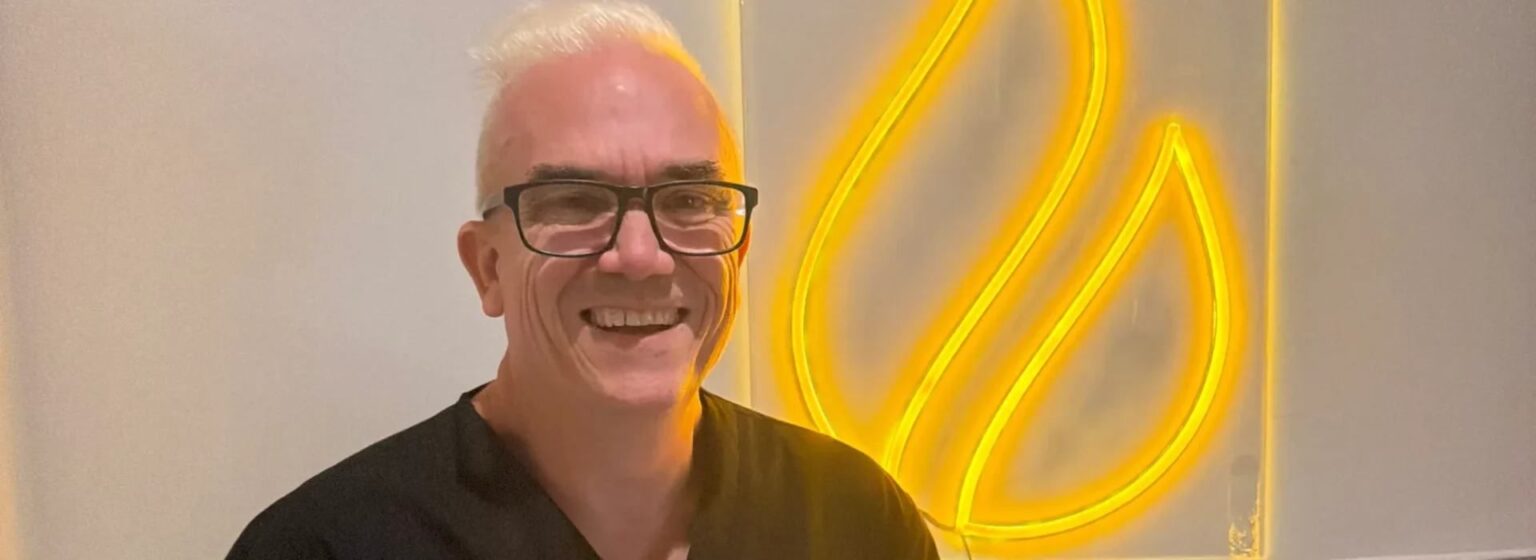
Corey Anderson, Founder and Registered Nurse at Core Aesthetics, runs a skin care and medical aesthetics clinic in Oakleigh, Melbourne. The clinic starts with an individual assessment, and this conversation explains how AI helps check its marketing while people remain responsible for what patients read and the care they receive.
Core Aesthetics uses AI to flag potential compliance issues, but keeps patient-facing writing and clinical decisions with people. Anderson’s advice is to set clear rules first, require human sign-off, and focus on accurate, useful information rather than automating the relationship.
What’s the quick origin story of your business, and what makes what you do genuinely different from the other options your customers are looking at?
I’ve been a registered nurse for 30 years, and most of that time has been spent in hospital nursing. When I opened Core Aesthetics in Oakleigh, I wanted it to feel like the best parts of that world: careful assessment, honest conversations, and nobody being rushed into a decision. Our approach is consultation first. We call it the C.O.R.E. Method: Consult, Organise, Refine, Evaluate. People don’t need to arrive knowing what they want. They just need to tell us what they’ve noticed and what they want to keep looking like themselves. Sometimes the right answer is to wait, or to do nothing at all, and we’re comfortable saying that. I think that honesty is what sets us apart in a market where a lot of people feel sold to.
Where does most of your new business come from today, and where do you wish it came from?
Most of our new patients find us through local search and our Google Business Profile, along with word of mouth from people who’ve been in to see us. What I’d love is for more people to find us because they’ve read something we’ve written and it answered a real question for them. We’ve put a lot of effort into plain English information about suitability, risks and what a consultation actually involves. When someone arrives having read that, the first conversation is so much better, because they already know we’re going to start with an assessment, not a sales pitch.
What’s one thing you’ve actually handed over to AI in the last year, and one thing you tried it on and went back to doing the human way?
What we’ve genuinely handed over is the checking. Healthcare advertising in Australia has strict rules, and with hundreds of pages on our website, keeping every word compliant by hand isn’t realistic. We now use AI to audit our site, flag risky wording, check our structured data, and review social posts before they go out. It finds things a tired human eye would miss.
What we took back is the writing of anything a patient will read. We tried letting AI draft patient information with light editing, and it didn’t work for us. It sounded generic, it slipped into phrasing that didn’t sound like a real clinic, and occasionally it changed things nobody asked it to change. Now AI can suggest and check, but a person writes and signs off every word a patient sees. Nothing clinical is ever decided by AI.
Have you noticed a change in how customers find you or what they already know before they reach out? Is anyone arriving through AI assistants like ChatGPT yet?
People definitely arrive better informed than they used to. Many have already read about what a consultation involves and what questions to ask, so the conversation starts at a deeper level. As for AI assistants, I’d be cautious about claiming too much. We can’t yet reliably tell when someone has come through ChatGPT or a similar tool. What we’ve done is prepare for it, by making sure our clinic details are accurate and consistent everywhere online and our information is clearly structured, so when an AI tool does describe us, it gets the facts right.
If you were advising someone in your industry on all of this for the next 12 months, what would you tell them to actually do, and what would you tell them to ignore?
Do: write down your own rules first. Before you let AI anywhere near your marketing, be clear on what you can and can’t say, then use AI to check your work against those rules every time. Keep a human sign off on anything a patient reads, and make sure your business details are identical everywhere online, because AI tools will repeat whatever they find.
Ignore: the pressure to automate the relationship. In healthcare, trust is built in the consultation room, not by a chatbot. And ignore anyone promising AI will make your content go viral overnight. Slow, accurate and genuinely useful still wins.
Thank you to Corey Anderson and the team at Core Aesthetics for sharing what actually worked with Leaders Perception readers.
Want to share your playbook?
Leaders Perception publishes founder and operator interviews every week. A few questions, about five minutes, no calls. It is free and everyone we accept gets published.