
Fastly AI: six browser workflows that make image fixes predictable
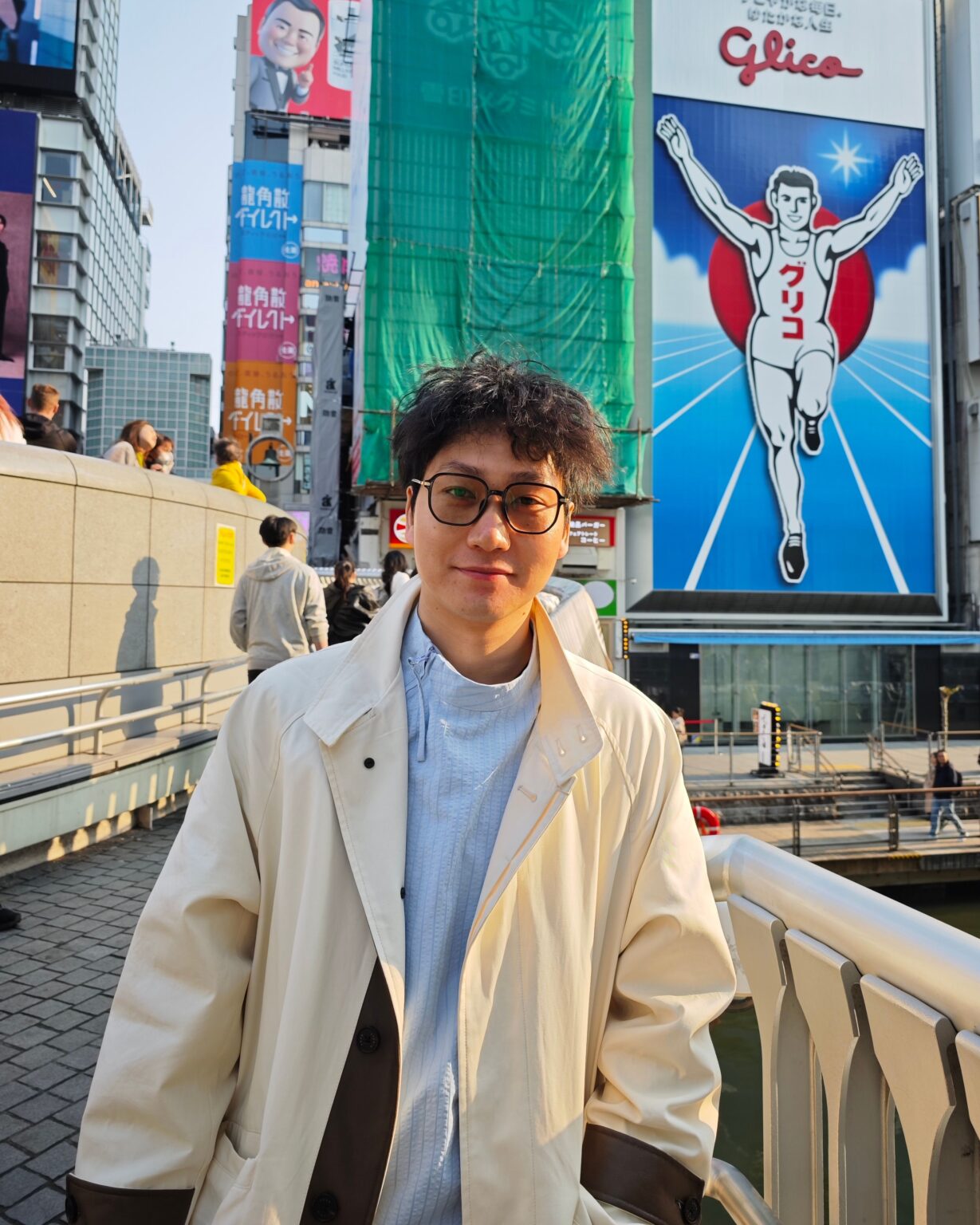
PENG LIU is Founder of Fastly AI (TOTM TECH LTD). Fastly AI is a browser-based image-editing service with six focused workflows – background removal, 4K enhancement, AI product photography, outpainting, ID photo creation and photo restoration. Liu’s story is worth reading because he has shifted much first-pass development work to AI agents while keeping final product judgment, security and release decisions strictly human.
Use AI to handle repetitive research and first-pass engineering so you can test ideas faster, but retain human ownership of architecture, testing, factual accuracy and final release decisions; focus on a small number of well-defined workflows rather than adding chatbots or chasing every new model.
What’s the quick origin story of your business, and what makes what you do genuinely different from the other options your customers are looking at?
Fastly AI grew out of a simple problem I kept seeing: useful image editing tasks were still split between complicated professional software, specialist services, and separate single-purpose websites. I wanted to make those workflows accessible in one browser-based product without requiring users to become professional editors.
Today, Fastly AI provides six focused workflows: background removal, 4K image enhancement, AI product photography, image outpainting, ID photo creation, and photo restoration.
What makes us different is our focus on practical outcomes rather than a generic AI interface. A customer uploads an image, chooses the relevant options, sees the credit cost, and downloads a finished file. We try to make every workflow simple, predictable, and easy to evaluate.
Where does most of your new business come from today, and where do you wish it came from?
Most of our new business currently comes from organic search and practical how-to content. People usually find us while searching for a specific outcome, such as removing a background, improving a low-resolution image, restoring an old photograph, or adapting an image to a different aspect ratio.
That traffic is valuable because the customer already has a real task to complete. Over the next year, I would like more growth to come from customer recommendations, trusted product comparisons, and AI assistants that can match a user’s problem with the right workflow.
I would rather earn repeat discovery through useful tools and reliable results than depend heavily on short-term paid traffic.
What’s one thing you’ve actually handed over to AI in the last year, and one thing you tried it on and went back to doing the human way?
In the last year, I have handed much of the first-pass software development work to AI agents. They help explore the codebase, trace dependencies, research implementation options, draft changes across multiple files, and create an initial prototype. This removes repetitive research and lets us test ideas faster.
What I moved back to the human side is final product judgment. I tried giving AI more influence over what should ship and how final customer-facing content should read, but it can complete the immediate task while missing business context, edge cases, or brand judgment.
AI can research, propose, and produce a first pass. A person still owns architecture, security, testing, factual accuracy, product priorities, and the final release decision.
Have you noticed a change in how customers find you or what they already know before they reach out? Is anyone arriving through AI assistants like ChatGPT yet?
Customers increasingly arrive with more specific vocabulary and a clearer idea of the result they want. Instead of asking whether AI can improve an image, they may ask for a transparent PNG, a 4K upscale, a 9:16 expansion, or a product image suitable for an online store.
Search results, comparison content, and AI assistants are helping people understand what is possible before they reach a product. We are starting to see AI assistants become part of the discovery process, but I would not describe ChatGPT as a primary acquisition channel yet without consistently attributable traffic.
The larger change is that customers now expect a direct answer, a simple workflow, and a usable result much faster.
If you were advising someone in your industry on all of this for the next 12 months, what would you tell them to actually do, and what would you tell them to ignore?
For the next 12 months, I would tell other AI software founders to select two or three workflows where the input, output, owner, and quality check are clearly defined. Measure the current cycle time, rework, cost, and customer outcome before introducing AI, then measure the difference.
Keep human accountability for security, factual claims, architecture, and customer-facing decisions that could cause harm. AI should accelerate responsible work, not remove responsibility.
I would ignore the pressure to add a chatbot to every screen, automate every decision, or chase every new model release. Access to models is becoming easier. The more durable advantage is the workflow around the model: product context, evaluation, distribution, customer experience, and trust.
Thank you to PENG LIU and the team at Fastly AI (TOTM TECH LTD) for sharing what actually worked with Leaders Perception readers.
Want to share your playbook?
Leaders Perception publishes founder and operator interviews every week. A few questions, about five minutes, no calls. It is free and everyone we accept gets published.