
Unlock Diversity Leadership Training Benefits: Strategies and Outcomes for Inclusive Leadership
Diversity leadership training is a transformative approach that empowers organizations to cultivate inclusive environments, enhancing both leadership effectiveness and employee engagement. This article delves into the multifaceted benefits of diversity leadership training, exploring how it can significantly impact leadership development programs, employee engagement, and business innovation. As organizations strive to adapt to an increasingly diverse workforce, understanding the mechanisms and outcomes of such training becomes essential. This guide will cover the key benefits of diversity leadership training, effective inclusive leadership strategies, the role of workshops in fostering an inclusive culture, measurable outcomes of training, and how Leaders Perception can assist in leveraging these benefits for personal and organizational growth.
What Are the Key Benefits of Diversity Leadership Training?
Diversity leadership training offers numerous advantages that can transform organizational dynamics. By fostering an inclusive environment, organizations can expect increased employee engagement, enhanced innovation, and improved organizational culture. These benefits stem from the integration of diverse perspectives, which enrich decision-making processes and drive creativity.
For instance, organizations that prioritize diversity often see a significant boost in employee morale and productivity. This is because employees feel valued and understood, leading to a more committed workforce. Furthermore, diverse teams are known to outperform their homogeneous counterparts, as they bring varied experiences and viewpoints that contribute to innovative solutions.
After exploring these benefits, it is essential to consider how diversity training enhances leadership development programs.
How Does Diversity Training Enhance Leadership Development Programs?
Diversity training plays a crucial role in leadership development by integrating diverse perspectives into leadership frameworks. This approach not only enhances the skill set of leaders but also prepares them to navigate complex organizational landscapes. Successful leadership programs often incorporate diversity training to ensure leaders are equipped to manage diverse teams effectively.
By fostering an understanding of cultural differences and promoting empathy, diversity training enhances leaders’ ability to connect with their teams. This connection is vital for building trust and fostering collaboration, which are essential components of effective leadership. Moreover, leaders who undergo diversity training are better positioned to implement inclusive policies that resonate with all employees.
What Impact Does Diversity Training Have on Employee Engagement and Business Innovation?
The correlation between diversity training and employee engagement is profound. Research indicates that organizations with robust diversity training programs experience higher levels of employee satisfaction and retention. Engaged employees are more likely to contribute innovative ideas, driving business success.
Statistics show that diverse teams are 35% more likely to outperform their competitors in terms of profitability. This is largely due to the innovative solutions that arise from diverse perspectives. Companies that embrace diversity are not only more attractive to top talent but also better equipped to meet the needs of a diverse customer base.
Which Inclusive Leadership Strategies Drive Organizational Success?

Identifying effective strategies for inclusive leadership is essential for fostering an environment where all employees can thrive. Inclusive leadership strategies focus on creating a culture of belonging, where every team member feels valued and empowered to contribute.
Key strategies include implementing mentorship programs, promoting cultural competence training, and establishing clear communication channels. These strategies help leaders engage diverse talent and create inclusive policies that support organizational success.
How Can Cultural Competence Training Improve Leadership Skills?
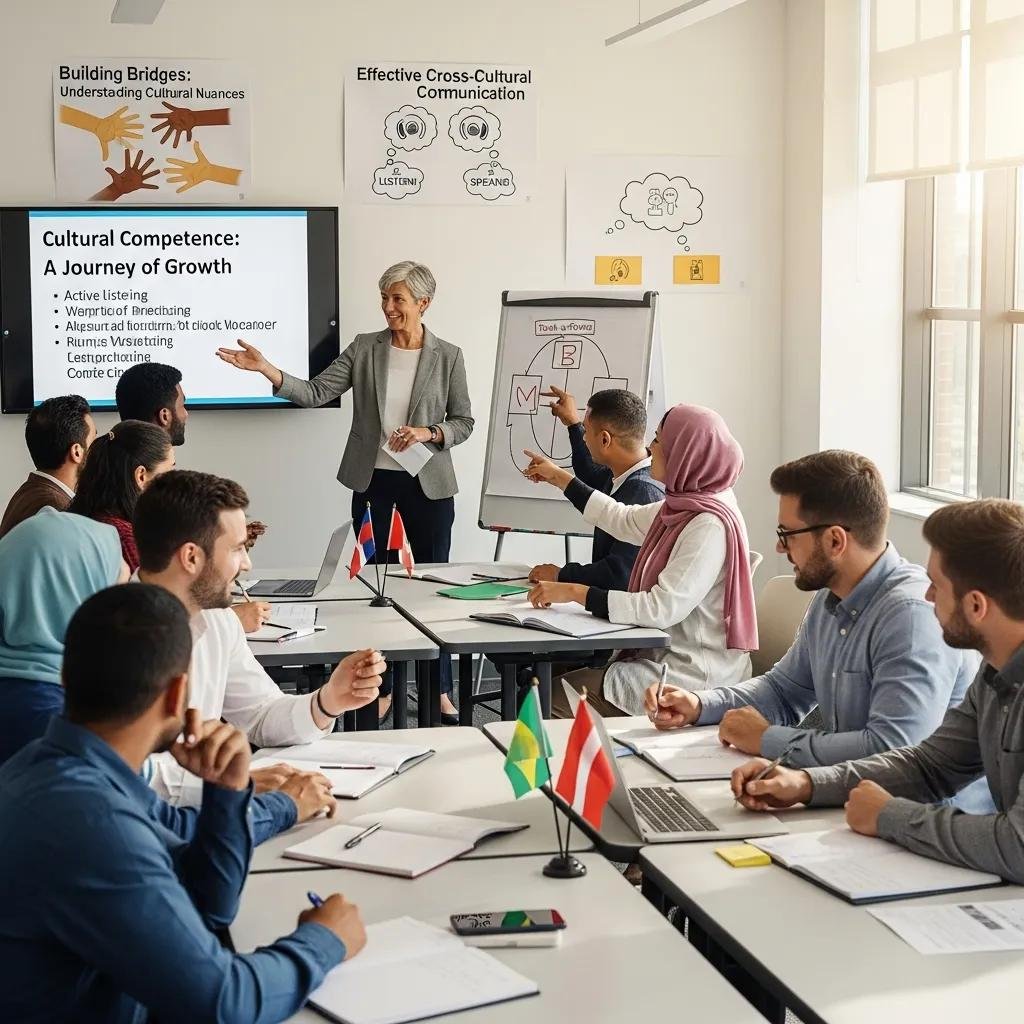
Cultural competence training is a vital component of inclusive leadership. It equips leaders with the skills necessary to understand and appreciate diverse cultural backgrounds, enhancing their ability to communicate effectively with all team members. This training fosters an environment of respect and understanding, which is crucial for team cohesion.
By improving communication skills and cultural awareness, leaders can better navigate conflicts and foster collaboration among team members. This not only enhances team dynamics but also contributes to a more inclusive workplace culture.
What Are Effective Inclusion Strategies in Leadership Development?
Effective inclusion strategies in leadership development focus on creating policies that promote diversity and engagement. Organizations can implement several actionable steps to foster inclusion, such as:
- Creating Inclusive Policies: Establish clear guidelines that promote diversity and inclusion at all levels of the organization.
- Engaging Diverse Talent: Actively recruit and retain diverse talent to ensure a variety of perspectives within leadership roles.
- Providing Ongoing Training: Offer continuous training opportunities that emphasize the importance of diversity and inclusion in leadership.
These strategies are essential for building a leadership pipeline that reflects the diversity of the workforce and enhances organizational performance.
How Do Diversity and Inclusion Workshops Foster an Inclusive Workplace Culture?
Diversity and inclusion workshops are instrumental in promoting an inclusive workplace culture. These workshops provide employees with the tools and knowledge necessary to understand and appreciate diversity, fostering a sense of belonging among all team members.
Workshops often include interactive activities that encourage participants to engage with different perspectives, enhancing their understanding of cultural differences. This engagement is crucial for building a cohesive team that values diversity.
What Practical Steps Support Building Inclusive Work Environments?
To build inclusive work environments, organizations can implement several practical steps:
- Policy Changes: Review and revise existing policies to ensure they promote inclusivity and diversity.
- Training Programs: Develop training programs that focus on diversity awareness and cultural competence.
- Feedback Mechanisms: Establish channels for employees to provide feedback on inclusivity efforts, ensuring continuous improvement.
These steps are essential for creating a workplace where all employees feel valued and empowered to contribute.
How Do Workshops Influence Organizational Impact and Employee Retention?
Workshops have a significant impact on organizational culture and employee retention. By fostering an inclusive environment, organizations can reduce turnover rates and enhance employee satisfaction. Data shows that companies with strong diversity initiatives experience 22% lower turnover rates compared to those without.
Moreover, workshops that emphasize the importance of diversity and inclusion contribute to a positive workplace culture, which is crucial for retaining top talent. Employees are more likely to stay with organizations that prioritize inclusivity and provide opportunities for growth.
What Are the Measurable Outcomes of Diversity Leadership Training?
Measuring the outcomes of diversity leadership training is essential for understanding its effectiveness. Organizations can track various metrics to assess the impact of their training programs, including employee engagement scores, retention rates, and overall organizational performance.
Which Recent Statistics Demonstrate Training Effectiveness?
Recent studies indicate that organizations implementing diversity training see an increase in employee engagement and a measurable improvement in team performance. These statistics highlight the tangible benefits of investing in diversity leadership training.
How Do Case Studies Illustrate Business Innovation Through Diversity?
Case studies from leading organizations demonstrate how diversity training drives business innovation. For example, a major tech company reported an increase in product innovation after implementing comprehensive diversity training programs. These case studies illustrate the direct correlation between diversity initiatives and business success.
How Can Leaders Perception Help You Get Featured and Grow Through Diversity Leadership?
Leaders Perception is dedicated to empowering leaders and entrepreneurs by providing insights and opportunities to grow through diversity leadership training. By leveraging these resources, individuals can enhance their leadership skills and gain visibility in their respective fields.
What Opportunities Exist for Emerging and Established Leaders?
Emerging and established leaders can benefit from various programs offered by Leaders Perception, including mentorship opportunities and networking events. These programs are designed to connect leaders with industry experts and provide valuable insights into effective leadership practices.
How Does Thought Leadership Exposure Enhance Career Development?
Exposure to thought leadership opportunities can significantly enhance career development. By participating in discussions and sharing insights on diversity and inclusion, leaders can build their personal brand and establish themselves as experts in their field. This visibility can lead to new career opportunities and professional growth.