
How to Navigate Startup Legal Issues Successfully: Essential Legal Compliance and Founder Responsibilities
Navigating the legal landscape is a critical aspect of launching and running a successful startup. Entrepreneurs often face a myriad of legal challenges that can significantly impact their business operations and growth potential. This article aims to provide a comprehensive guide on how to effectively manage startup legal issues, ensuring compliance and understanding founder responsibilities. By addressing common legal challenges, selecting the right business formation, protecting intellectual property, and ensuring compliance with employment laws, startups can mitigate risks and enhance their chances of success. We will explore key legal challenges, the importance of business formation, strategies for intellectual property protection, essential contracts, and compliance with labor laws.
What Are the Key Legal Challenges Startups Face?
Startups encounter various legal challenges that can hinder their growth and sustainability. Understanding these challenges is crucial for entrepreneurs to navigate the complexities of business law effectively.
Which Legal Issues Most Commonly Affect Startup Companies?
Common legal issues affecting startups include intellectual property disputes, contract disputes, regulatory compliance, and employment law violations. These challenges can arise from various sources, including competition, mismanagement of contracts, and failure to adhere to industry regulations. For instance, a startup may face legal action if it inadvertently infringes on a competitor’s intellectual property rights, leading to costly litigation and potential damages.
How Do Legal Risks Impact Startup Success and Failure Rates?
Legal risks can significantly impact startup success and failure rates. Research indicates that startups facing legal challenges are more likely to experience financial difficulties, with studies showing that nearly 20-30% of startups fail due to legal issues. These risks can lead to costly litigation, loss of reputation, and even bankruptcy. Therefore, understanding and addressing these legal challenges is essential for entrepreneurs aiming to build sustainable businesses.
How to Choose the Right Business Formation for Your Startup?
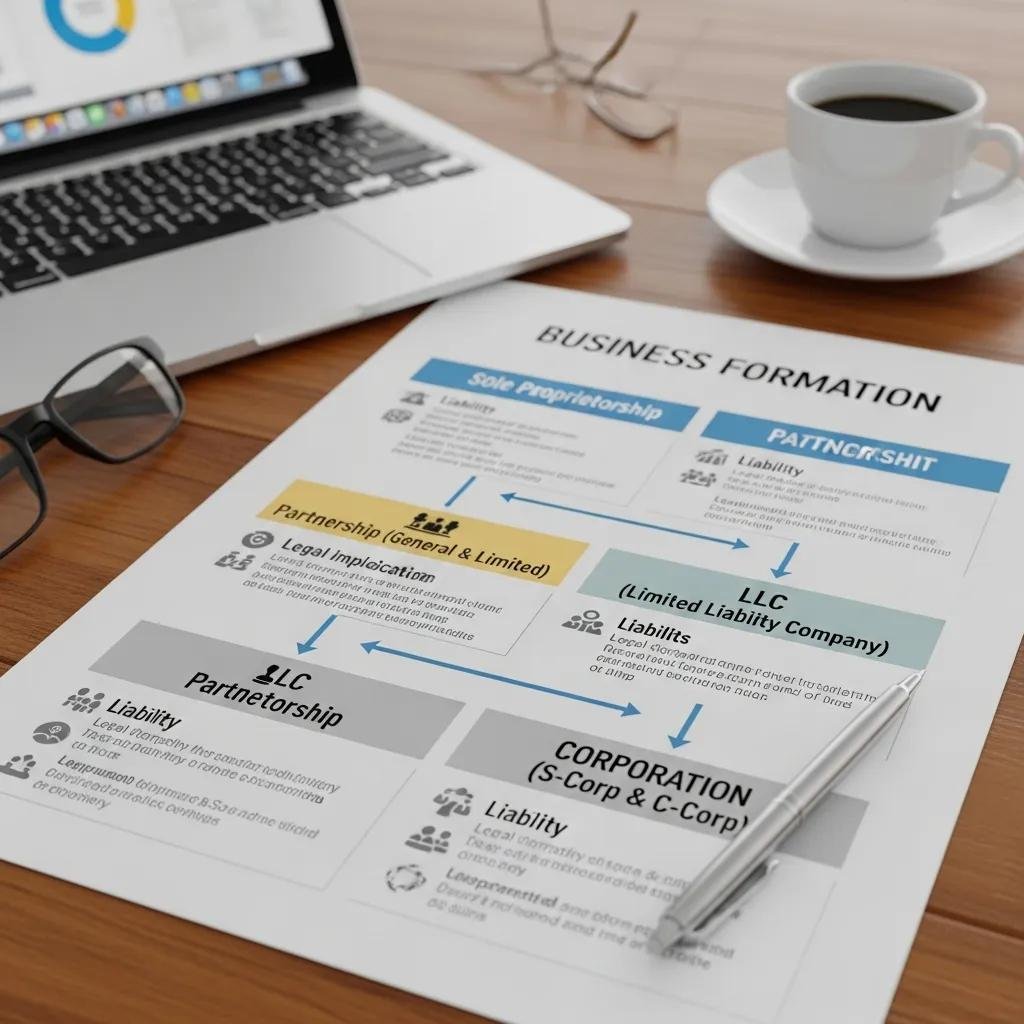
Selecting the appropriate business formation is a critical decision for any startup. The choice of entity affects liability, taxation, and operational flexibility.
What Are the Legal Differences Between LLCs, Corporations, and Partnerships?
The primary legal differences between LLCs, corporations, and partnerships lie in liability protection, taxation, and management structure. LLCs offer limited liability protection to their owners, shielding personal assets from business debts. Corporations, on the other hand, are separate legal entities that provide robust liability protection but come with more regulatory requirements. Partnerships allow for shared management and profits but expose partners to personal liability for business debts.
How Does Business Incorporation Affect Founder Legal Responsibilities?
Incorporation changes the legal responsibilities of founders significantly. Once a business is incorporated, founders are generally protected from personal liability for business debts, meaning their personal assets are not at risk. However, they must adhere to corporate formalities, such as holding regular meetings and maintaining accurate records, to preserve this protection. Failure to comply with these requirements can result in personal liability for founders.
For startups considering incorporation, it is essential to consult with legal experts to understand the implications fully. Information Hub provides valuable insights and opportunities for entrepreneurs to navigate these complexities effectively.
How Can Startups Protect Their Intellectual Property Effectively?

Intellectual property (IP) is a vital asset for startups, and protecting it is crucial for maintaining a competitive edge.
What Are the Essential Intellectual Property Types for Startups?
Startups should focus on protecting several types of intellectual property, including patents, trademarks, and copyrights. Patents protect inventions and processes, trademarks safeguard brand identity, and copyrights cover original works of authorship. Each type of IP serves a unique purpose and requires different protection strategies.
When and How Should Startups File for Patents, Trademarks, and Copyrights?
Startups should file for patents as soon as they develop a novel invention, ideally before public disclosure. Trademark applications should be submitted once a brand name or logo is established, while copyrights can be registered for original works as soon as they are created. The filing process typically involves conducting thorough searches to ensure no existing rights conflict and preparing the necessary documentation for submission to the relevant authorities.
What Are the Must-Have Contracts and Agreements for Startups?
Contracts and agreements are essential for establishing clear expectations and protecting the interests of all parties involved in a startup.
Which Startup Contract Essentials Should Founders Prioritize?
Founders should prioritize several key contracts, including non-disclosure agreements (NDAs), employment contracts, and partnership agreements. NDAs protect sensitive information, employment contracts outline the terms of employment, and partnership agreements define the roles and responsibilities of each partner. These contracts help prevent misunderstandings and legal disputes down the line.
How to Negotiate and Draft Effective Startup Agreements?
Effective negotiation and drafting of startup agreements require clarity and attention to detail. Founders should ensure that all agreements are comprehensive, covering essential terms such as payment structures, deliverables, and dispute resolution mechanisms. It is advisable to seek legal counsel during this process to ensure that agreements are enforceable and protect the startup’s interests.
How to Ensure Employment and Labor Law Compliance in Startups?
Compliance with employment and labor laws is critical for startups to avoid legal pitfalls and foster a positive workplace culture.
What Are Founder Legal Responsibilities Regarding Hiring and Remote Work?
Founders have legal responsibilities regarding hiring practices, including adhering to anti-discrimination laws and ensuring fair treatment of employees. Additionally, with the rise of remote work, startups must comply with regulations related to remote employee management, including wage and hour laws and workplace safety standards.
How to Navigate Employment Regulations and Labor Laws for Startups?
Navigating employment regulations requires a thorough understanding of federal, state, and local laws. Startups should implement policies that comply with labor laws, including employee classification, wage and hour regulations, and workplace safety standards. Regular training and updates on legal requirements can help ensure compliance and mitigate risks.
How to Manage Regulatory Compliance and Legal Risks for Startups?
Managing regulatory compliance is essential for startups to avoid legal issues and maintain operational integrity.
What Are the Key Regulatory Requirements Affecting Startups in 2026?
In 2026, startups must be aware of evolving regulatory requirements, including data protection laws, environmental regulations, and industry-specific compliance standards. Staying informed about these changes is crucial for maintaining compliance and avoiding penalties.
How to Implement Risk Management Strategies to Avoid Legal Pitfalls?
Implementing effective risk management strategies involves identifying potential legal risks and developing proactive measures to mitigate them. Startups should conduct regular legal audits, establish compliance programs, and foster a culture of transparency and accountability within the organization. By prioritizing legal compliance, startups can reduce the likelihood of legal issues and enhance their overall success.
| Contract Type | Purpose | Importance |
|---|---|---|
| Non-Disclosure Agreement (NDA) | Protects sensitive information | Essential for safeguarding trade secrets |
| Employment Contract | Outlines terms of employment | Clarifies expectations and responsibilities |
| Partnership Agreement | Defines roles and responsibilities | Prevents misunderstandings among partners |
This table highlights the essential contracts that startups should prioritize to protect their interests and ensure smooth operations.
In conclusion, navigating startup legal issues requires a proactive approach and a thorough understanding of the legal landscape. By addressing common legal challenges, selecting the right business formation, protecting intellectual property, and ensuring compliance with employment laws, startups can mitigate risks and enhance their chances of success. Entrepreneurs are encouraged to seek legal advice and stay informed about evolving regulations to navigate these complexities effectively.