
Business Formation Legal Requirements You Need to Know: Essential Legal Steps and Compliance for Entrepreneurs
Starting a business is an exciting venture, but it comes with a myriad of legal requirements that can be daunting for many entrepreneurs. Understanding the essential legal steps involved in business formation is crucial for ensuring compliance and avoiding potential pitfalls. This article will guide you through the various business formation legal requirements, including the types of business entities, registration processes, necessary licenses, tax obligations, and common legal mistakes to avoid. By the end, you will have a comprehensive understanding of how to navigate the legal landscape of starting a business successfully.
What Are the Different Types of Business Entities and Their Legal Implications?
When considering starting a business, one of the first decisions you must make is the type of business entity that best suits your needs. The legal structure you choose will affect your liability, tax obligations, and operational flexibility. The primary types of business entities include Limited Liability Companies (LLCs), Corporations, and Sole Proprietorships, each with distinct legal implications.
How Do LLCs, Corporations, and Sole Proprietorships Differ Legally?

LLCs, Corporations, and Sole Proprietorships differ significantly in terms of liability, taxation, and regulatory requirements. An LLC provides limited liability protection to its owners, meaning personal assets are generally protected from business debts. Corporations, on the other hand, are separate legal entities that offer robust liability protection but come with more complex regulations and double taxation on profits. Sole Proprietorships are the simplest form of business, where the owner is personally liable for all debts, making it less protective but easier to manage.
Which Business Entity Best Fits Your Entrepreneurial Goals?
Choosing the right business entity depends on various factors, including your business goals, the level of acceptable risk, and tax considerations. For entrepreneurs seeking flexibility and protection, an LLC may be ideal. In contrast, those looking to attract investors might prefer a Corporation due to its ability to issue shares. Evaluating your personal goals and long-term business needs is essential in making this decision.
What Are the Step-by-Step Legal Requirements to Start a Business?
Starting a business involves several critical legal steps that must be followed to ensure compliance with local, state, and federal laws. Understanding these steps can help streamline the process and avoid legal complications.
How to Register Your Business Name and Obtain Necessary Documents?
The first step in starting a business is to choose a unique business name and register it with the appropriate state authorities. This process typically involves checking the availability of the name, filing the necessary paperwork, and paying a registration fee. Additionally, you may need to obtain a federal Employer Identification Number (EIN) from the IRS, which is essential for tax purposes.
What Are the Key Compliance Steps in the Business Formation Process?
Compliance is a critical aspect of business formation. Key steps include obtaining the necessary licenses and permits, adhering to zoning laws, and ensuring compliance with employment regulations. A compliance checklist can help you keep track of these requirements, ensuring that you meet all legal obligations before launching your business.
What Licenses and Permits Are Required for Your Business?
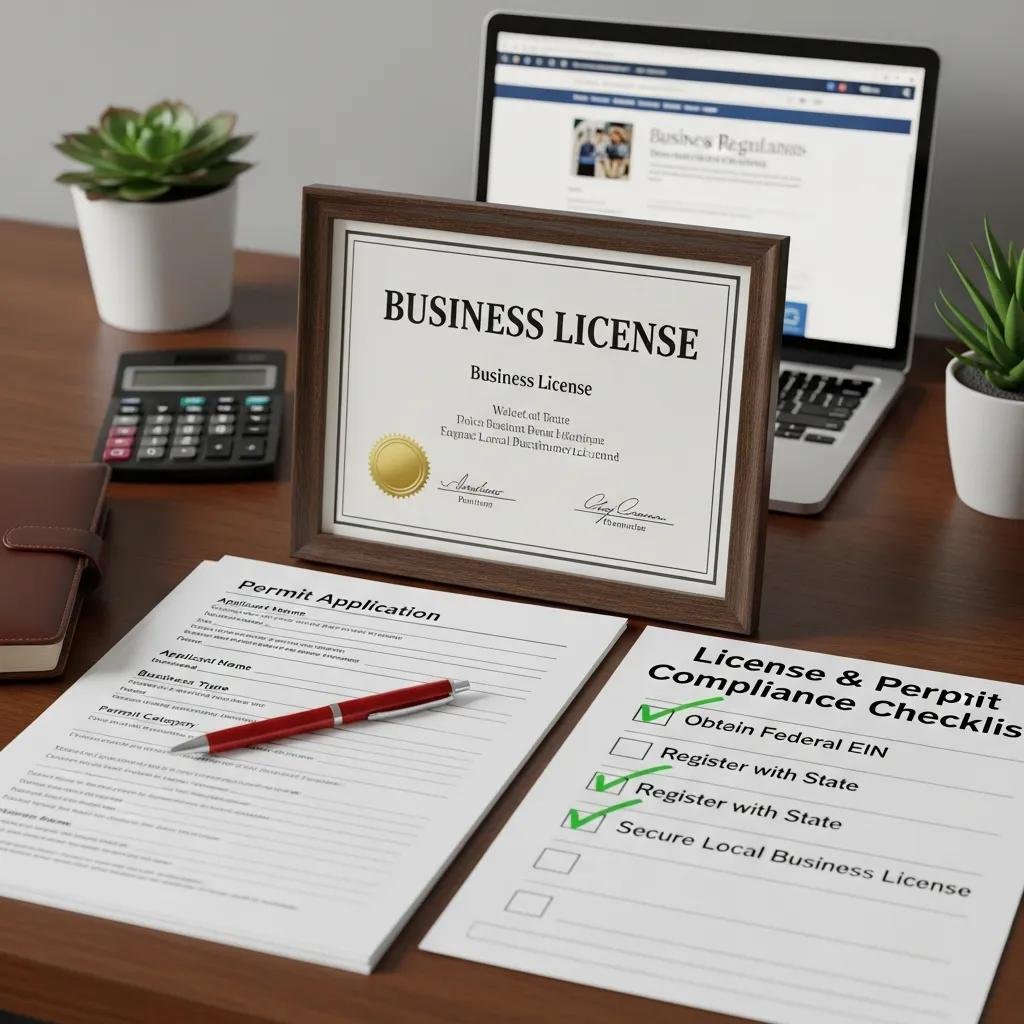
Depending on your industry and location, various licenses and permits may be required to operate legally. Understanding these requirements is crucial for avoiding fines and legal issues.
How to Identify Industry and State-Specific Licensing Requirements?
To identify the specific licenses and permits required for your business, you can consult state and local government websites, industry associations, and legal advisors. Each industry has unique requirements, so thorough research is essential to ensure compliance.
What Is the Process to Apply for Business Licenses and Permits?
The application process for business licenses and permits typically involves submitting an application form, providing supporting documentation, and paying applicable fees. Processing times can vary, so it’s advisable to apply well in advance of your planned launch date to avoid delays.
How to Complete Tax Registration and Meet Small Business Compliance Laws?
Tax registration is a vital step in the business formation process. Understanding your tax obligations will help you avoid penalties and ensure compliance with tax laws.
What Are the Legal Tax Registration Steps for New Businesses?
New businesses must register for various taxes, including income tax, sales tax, and employment tax. This process often requires obtaining an EIN and registering with state tax authorities. It’s essential to understand the specific tax obligations for your business type and location.
How to Maintain Ongoing Compliance with Small Business Laws?
Ongoing compliance involves regularly updating your business information with state authorities, filing annual reports, and staying informed about changes in tax laws and regulations. Establishing a system for tracking compliance deadlines can help ensure that your business remains in good standing.
What Common Legal Mistakes Should Entrepreneurs Avoid During Business Formation?
Navigating the legal landscape of business formation can be challenging, and many entrepreneurs make common mistakes that can jeopardize their success.
Which Legal Pitfalls Can Delay or Jeopardize Your Business Start?
Common legal pitfalls include failing to register the business name, neglecting to obtain necessary licenses, and not understanding tax obligations. These mistakes can lead to fines, legal issues, and even the inability to operate your business.
How to Use Compliance Checklists to Prevent Legal Issues?
Using compliance checklists can help entrepreneurs stay organized and ensure that all legal requirements are met. These checklists can serve as a valuable tool for tracking necessary steps and deadlines throughout the business formation process.
How Can Entrepreneurs Leverage Expert Resources and Platforms for Legal Guidance?
Accessing expert resources can provide valuable insights and guidance for navigating the complexities of business formation.
What Are the Benefits of Getting Featured on Leadership and Legal Platforms?
Getting featured on leadership and legal platforms can enhance your business’s visibility and credibility. It can also provide networking opportunities and access to valuable resources that can aid in your business’s growth and compliance efforts.
Where to Find Authoritative Legal Insights and Updates for Business Formation?
Entrepreneurs can find authoritative legal insights through government websites, legal blogs, and professional organizations. Staying informed about changes in laws and regulations is crucial for maintaining compliance and ensuring the success of your business.